
Every restaurant owner knows the pattern. A restaurant launches a 30% discount, sales jump for a week or two, and the results look promising. Then the promotion ends, and customer traffic drops back to where it was before. In some cases, it drops even further.
The problem is that the promotion may have brought people in without giving them a reason to come back. Customers were responding to the discount, not necessarily building a connection with the restaurant.
In 2026, that approach is becoming harder to sustain. Restaurants are dealing with rising food and labor costs, while customers are constantly exposed to promotions from competing brands. Instead of relying on discounts to drive traffic, more restaurants are turning to loyalty programs to build repeat business and stronger relationships with their customers.
The Problem With Discount Led Strategies
Discounts can be effective in the short term, but they can also create habits that are difficult to break. If customers regularly see a restaurant offering 20% or 30% off, they may start waiting for the next promotion instead of paying full price.
That becomes especially challenging when operating costs are already rising. Frequent discounts can quickly eat into margins, particularly for restaurants that are competing with other businesses offering similar deals.
There is also the question of customer quality. A discount can attract someone who is simply looking for the cheapest option. Once another restaurant offers a better deal, that customer may move on just as quickly.
When every restaurant responds to competition with another discount, the result is often the same: lower margins without creating much long-term loyalty.
Why Loyalty Programs Are Gaining Ground in 2026
Loyalty programs take a different approach. Instead of simply giving customers a cheaper meal, they give them a reason to keep coming back.
A good loyalty program can recognize a customer's habits, reward frequent visits, and offer benefits that are actually relevant to them. The experience feels less like receiving another generic coupon and more like being recognized by a brand they already enjoy.
There is another major advantage for restaurants: customer data.
Every purchase, visit, reward redemption, and interaction can provide useful information about customer behavior. Restaurants can use that information to understand which products customers prefer, how often they visit, and what types of offers encourage them to return.
Starbucks is a good example. According to Chowly's February 2026 report, Starbucks Rewards members spend significantly more per visit than non-members, while the program plays an important role in the company's overall business. The value of loyalty comes not only from individual transactions, but also from encouraging customers to visit more frequently over time.
This is important because retaining an existing customer can be more valuable than constantly spending money to attract a new one. Discounts can create a transaction. Loyalty programs are designed to create a habit.
What's Changing in Restaurant Loyalty in 2026?
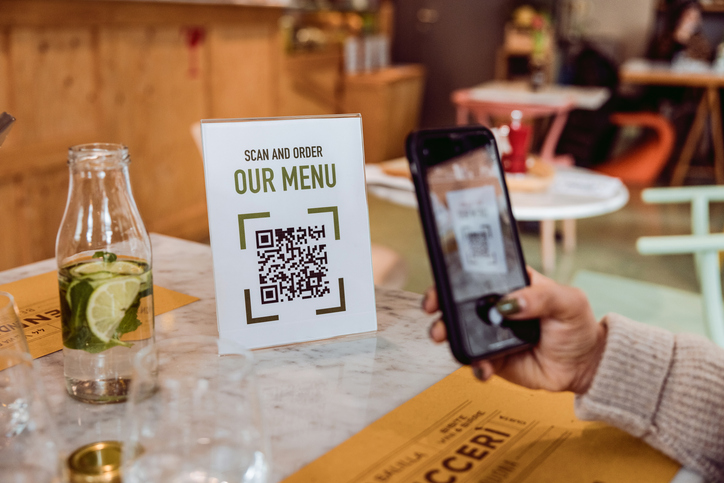
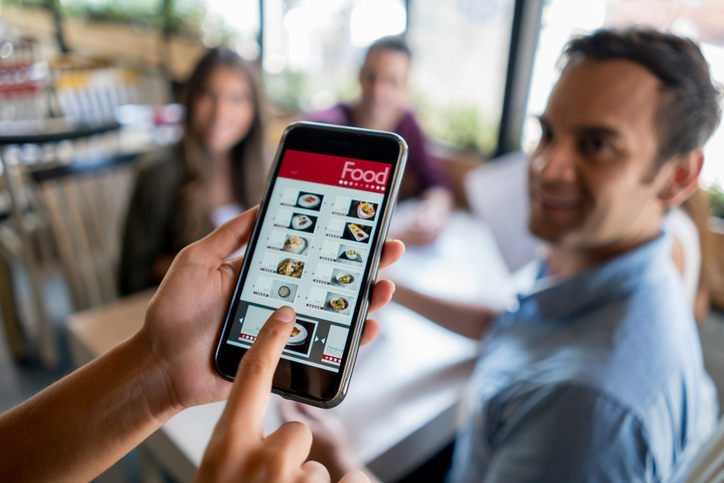
Restaurant loyalty has also become much more digital. Paper punch cards have largely given way to QR codes, mobile wallets, apps, and loyalty features integrated directly into point-of-sale systems. Customers can order, pay, collect rewards, and receive offers through the same digital ecosystem. As Loyalty Juggernaut noted in its July 2026 review of restaurant loyalty programs, the app is increasingly becoming the loyalty program itself.
AI is adding another layer to this shift. Instead of sending the same promotion to everyone, restaurants can use customer behavior to create more targeted offers and challenges.
Chipotle, for example, has used personalized challenges to encourage new members to visit multiple times during their first 90 days. The idea is simple: rather than waiting for customers to become regulars naturally, the loyalty program can actively encourage the behavior that restaurants want to build.
Gamification is another growing trend. Challenges, badges, progress bars, and other interactive features can make loyalty programs more engaging than a basic points system. Chowly reported in February 2026 that gamification features can have a positive impact on retention.
Loyalty is also moving beyond points and discounts. Restaurants are experimenting with exclusive events, early access to new menu items, members-only experiences, and other perks that make customers feel like insiders.
At the same time, third-party delivery platforms create a challenge. Restaurants need to think carefully about how to maintain customer relationships when orders happen through an app that the restaurant does not fully control.
Common Pitfalls When Building a Loyalty Program
A loyalty program is not automatically successful just because it exists.
One of the biggest mistakes is making the system too complicated. If customers do not understand how to earn or redeem rewards, they are unlikely to stay engaged. The best programs make the value obvious from the beginning.
Another common problem is failing to use the data collected through the program. Customer information is only valuable when it helps a restaurant make better decisions about marketing, products, and customer experience.
Restaurants also need to keep improving their programs after launch. Customer preferences change, and a reward that worked six months ago may not be as effective today.
Staff involvement matters too. If employees never mention the loyalty program or explain its benefits, customers may not even know it exists.
How F&B Operators Can Build a Loyalty Strategy That Works
The first step is to decide what the program is supposed to achieve.
Do you want customers to visit more often? Spend more per visit? Try new menu items? Or simply return after their first purchase?
The answer should determine how the program is designed.
The next step is choosing technology that fits the business. A small restaurant does not necessarily need a complicated app. A POS integrated loyalty system, QR based program, or simple digital membership system may be enough. What matters most is that customers can use it easily and that the restaurant can actually make use of the data it collects.
Restaurants can also introduce elements such as challenges, tiers, or limited-time rewards to keep customers engaged. Chipotle and Starbucks show how these features can encourage customers to interact with a loyalty program beyond simply collecting points (Restaurant Dive, April 2026).
From Discounts to Loyalty
Discounts will always have a place in restaurant marketing. They can help generate traffic, introduce a new product, or attract customers during slower periods.
But discounts alone do not necessarily create loyalty.
As food and labor costs continue to put pressure on restaurant margins, businesses need to think more carefully about what they are giving away and what they are getting in return. A discount may bring someone through the door once. A well designed loyalty program can give that customer a reason to return.
In 2026 and beyond, we expect restaurant loyalty to become more personalized, more digital, and more closely connected to the overall customer experience. The restaurants that stand out will not necessarily be the ones offering the biggest discounts. They will be the ones that give customers a reason to keep coming back.
For F&B operators looking to move beyond the discount cycle, loyalty is not simply another marketing tool. It is a way to build a more sustainable relationship with the people who already choose their brand. (VPC)