
How Food Packaging Became a Brand's Most Powerful Tool
Food packaging used to have one purpose: protecting food until it reached customers. Today, it does much more. Packaging is often the first thing people see, shaping their first impression of a brand before they even taste the product. In just a few seconds, customers can judge whether a product feels premium, trustworthy, or forgettable.
At the same time, F&B businesses are dealing with rising packaging costs, especially for plastic. This means brands need packaging that is both cost-efficient and able to maintain a strong brand image.
From Protection to Branding
Packaging has changed dramatically over time. In the past, people relied on simple materials like banana leaves, clay pots, and paper because they were practical. As food production grew, manufacturers switched to tin cans, glass bottles, and plastic to improve durability and shelf life.
Eventually, packaging became part of branding. Colors, logos, and visual design helped products stand out on store shelves. Today, packaging also needs to look attractive online since many customers discover products through social media.
Now, packaging reflects a brand's values. It can communicate sustainability, local identity, craftsmanship, or community, making it much more than just a container.
Why Packaging Matters
In a crowded market, packaging often influences a customer's first purchase. According to an Ipsos survey, 72% of consumers say packaging design affects their buying decisions.
Good packaging also builds recognition. Customers can identify a familiar product just by its colors or shape. It also influences how people perceive quality, making a product feel more premium and worth a higher price.
For small F&B businesses, strong packaging is an affordable way to compete with larger brands. A memorable design can leave a lasting impression without requiring a huge marketing budget.
Rising Plastic Costs
Plastic has been the most popular packaging material because it is lightweight, durable, and inexpensive. However, its price has become increasingly unstable due to fluctuating oil prices and higher production costs. This isn't just a theory, industry data from early 2026 shows Brent crude climbing from about US$ 64 a barrel in October-December 2025 to around US$ 80 a barrel in January-March 2026, with resin costs following close behind.
For businesses that package products every day, rising plastic prices reduce profit margins. At the same time, this creates an opportunity. Brands that adopt alternative packaging can strengthen their image by appearing more innovative and environmentally conscious.
Affordable Alternatives
Many alternatives to plastic are both practical and attractive, including:
-
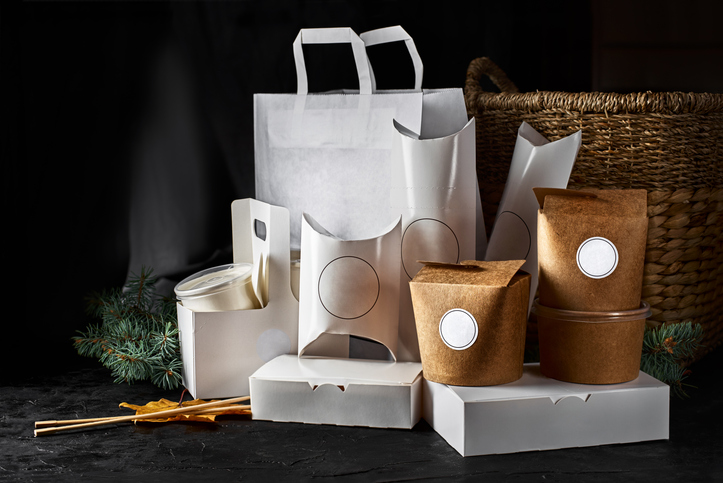
Kraft paper and cardboard for a natural look.
-
Banana leaves and other traditional wraps.
-
Recycled paper for a more sustainable image.
-
Compostable films for products that still need protection.
-
Glass jars and bottles for a premium feel.
The best choice depends on the brand. Packaging should support the product's story and the experience a business wants customers to remember.
Packaging as Brand Storytelling
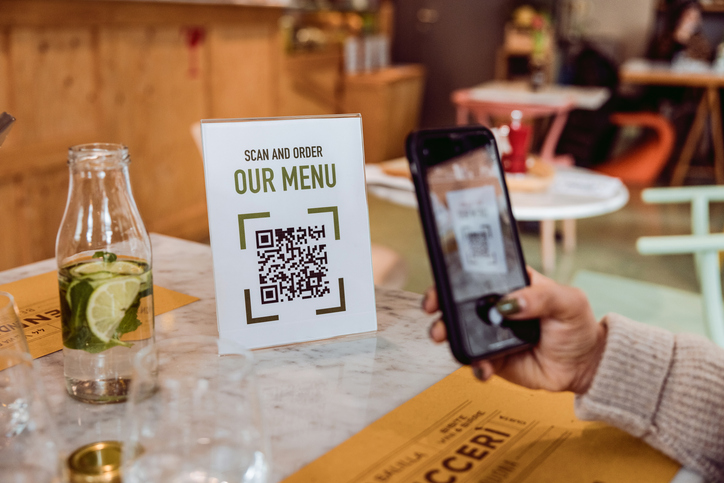
Great packaging tells customers who made the product and what the brand stands for. Small details like a founder's message, a QR code linking to the brand story, or artwork inspired by local culture can create a stronger emotional connection.
Consistent packaging is also important. Whether customers buy from a kiosk, receive takeaway packaging, or find the product in a supermarket, every experience should feel like it comes from the same brand.
Designing on a Budget
Creating attractive packaging doesn't always require a large budget. Brands can start with one distinctive design element, work with local suppliers, reuse the same visual identity across different packaging formats, and use stickers or stamps to create a premium look at a lower cost. Testing small batches before ordering in bulk can also reduce risk.
Packaging Is an Investment, Not a Cost
Packaging is no longer just a way to protect food. It is one of the strongest tools for building a brand, attracting customers, and creating a memorable experience. As plastic becomes more expensive, businesses have a chance to rethink their packaging. Choosing materials that reflect the brand's identity and values can strengthen customer perception while helping the business stand out in an increasingly competitive market.