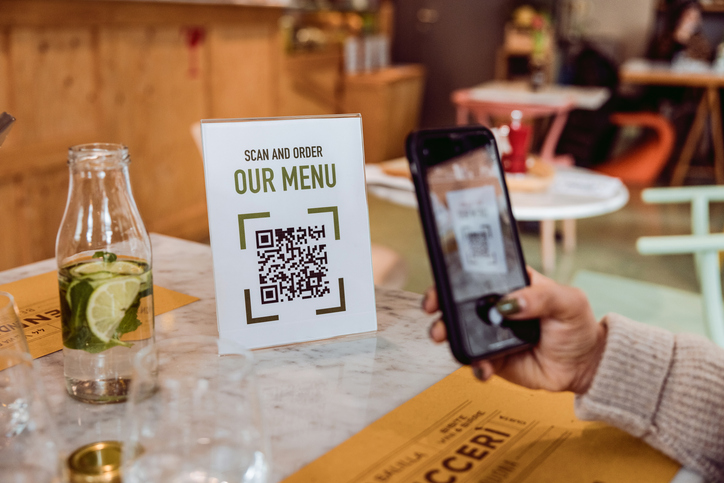

QR codes became a familiar sight on restaurant tables in 2020. They offered a simple, contactless way to share menus when restaurants needed one. Six years later, they are still around, but the technology behind them has changed. QR menus are moving beyond static PDFs. Today, they can connect ordering, payments, loyalty, and customer data in one digital experience.
Where QR Menus Started
In 2020, the goal was straightforward: provide a contactless menu at a low cost. Around half of full-service restaurants adopted QR menus during the pandemic, and many continued using them afterward (U2L AI, 2026).
The first versions were often little more than PDF files linked to a QR code. They worked, but the experience was not always great. Customers had to deal with small text, slow loading times, and menus not designed for mobile screens. Restaurants kept them because they were convenient. Prices, availability, and menu items could be updated without printing new menus. That simple benefit helped QR menus become a permanent part of restaurant operations.
Why QR Menus Are Evolving
Customer expectations have changed. Diners are used to fast, mobile first experiences from delivery apps, online shopping, and digital banking. A basic PDF menu can feel outdated by comparison.
Restaurants also want more than a digital replacement for paper. Modern platforms can support ordering, upselling, payments, customer data, and loyalty. They can also reduce some of the workload for staff at a time when labor remains a major concern.
The bigger shift is integration. Restaurants increasingly want their menus, POS, kitchen systems, payments, and loyalty programs to work together rather than operate as separate tools.
From Digital Menu to Dining Platform
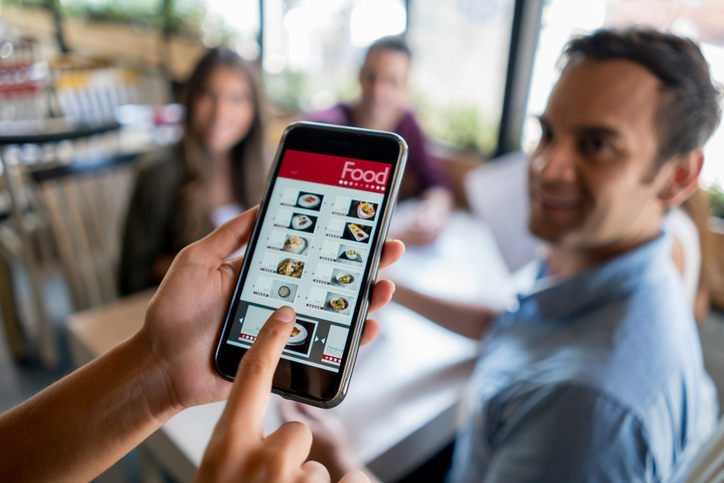
The next generation of QR menus is becoming much more interactive. Menus can update in real time, including prices and item availability. When a dish sells out, it can be removed immediately instead of leaving customers to discover the problem after ordering.
AI is also starting to influence digital menus. Platforms can use customer preferences and ordering history to recommend dishes, sides, or drinks. Some now offer AI-powered assistants that allow customers to interact with the menu instead of simply browsing it (QRStuff, June 2026).
The ordering process is becoming simpler too. Customers can scan, browse, order, and pay from the same device. Digital menus can also support multiple languages, accessibility features, photos, videos, and detailed allergen information.
When connected to loyalty programs, the same system can also link dining activity with customer rewards.
The Operational Impact
The benefits go beyond convenience. When customers can place orders and make payments themselves, staff can spend more time on hospitality. Digital ordering can also reduce mistakes caused by handwritten orders or misheard requests (Supercode, March 2026).
Real-time data gives restaurants another advantage. Operators can see which dishes are popular, identify ordering patterns, and test different recommendations or promotions. Digital menus can also suggest add-ons, such as a drink or side, without requiring staff to make every upsell themselves.
For busy restaurants, these small improvements can add up.
What Successful Restaurants Are Doing Differently
Restaurants getting the most from QR technology are not treating it as a simple replacement for paper menus.
A 2026 industry analysis found that successful implementations tend to combine mobile-friendly menus with strong visuals, real-time analytics, and personalization (DineOpen, March 2026). The same analysis reported a significant increase in QR menu adoption in markets that had already embraced the technology.
The important point is that the QR code itself is not the innovation. The value comes from what happens after the customer scans it.
When QR menus connect ordering, payments, loyalty, and operational systems, they become part of the restaurant's infrastructure rather than another standalone tool.
The Trade Offs of Digital Dining
Going digital also comes with challenges.
New systems can be expensive, and integrating them with an existing POS or kitchen setup can take time. Some customers still prefer traditional table service, so restaurants should not assume everyone wants a fully digital experience.
Data privacy is another consideration. The more customer information a restaurant collects, the more carefully it needs to manage and communicate how that data is used.
There is also a balance to maintain. Too much automation can make a restaurant feel impersonal. Technology should support hospitality, not replace it.
How F&B Operators Can Prepare
Start by looking at your current QR menu. If it is still just a static PDF, consider what could be improved.
Prioritize integrations that solve real problems, particularly ordering, payment, loyalty, and kitchen operations. There is no need to add every available feature at once.
Testing new technology at one or two locations can also help operators understand what works before investing in a wider rollout. Most importantly, train staff to work with the technology. The goal should be to give them more time for guests, not remove the human element from the dining experience.
At VPC, we see a strong opportunity for mid-sized F&B operators to adopt these systems before they become standard across the industry.
The Future of Digital Dining
QR codes were only the starting point. What began as a pandemic-era solution is becoming a broader digital platform that can connect ordering, payments, loyalty, and restaurant operations. Through 2026 and beyond, these systems are likely to become more personalized and more deeply integrated with the rest of the restaurant's technology.
The restaurants that benefit most will be those that look beyond the QR code itself and focus on improving the entire customer journey. For F&B operators considering an upgrade, the question is no longer whether to use a QR menu. It is what the menu should be able to do. (VPC)