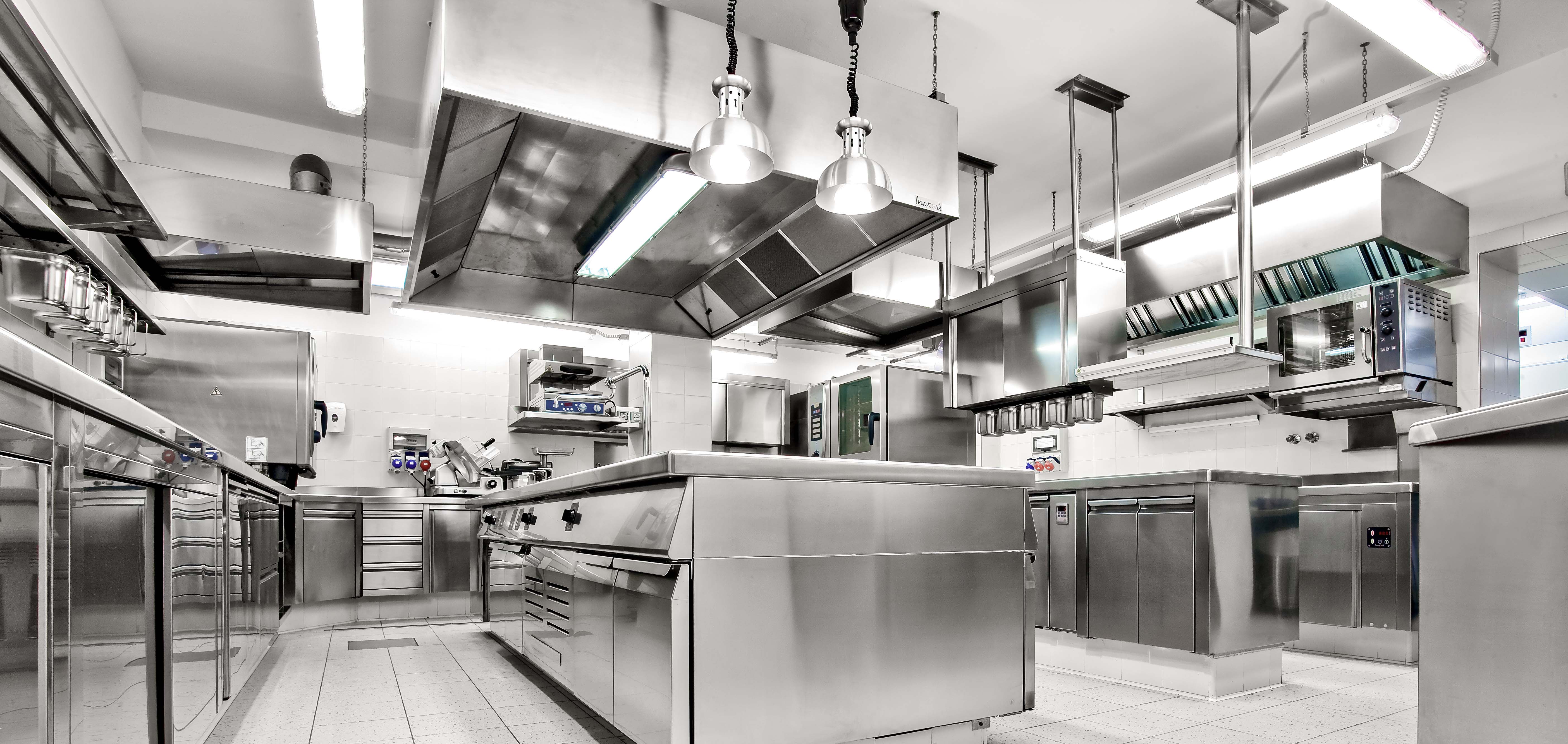

In the fast-paced world of food and beverage operations, maximizing the value of existing kitchen assets is crucial. For restaurant owners and managers, especially in competitive markets like Indonesia and Bali, efficient kitchen workflow directly impacts output capacity, service speed, and overall profitability. With labor shortages increasingly challenging service speed across Southeast Asia, as highlighted by the International Labour Organization in its Asia Pacific reports, optimizing kitchen workflows has become a strategic imperative. This article explores how redesigning kitchen layouts and production flows using lean kitchen principles can help businesses increase output, reduce bottlenecks, minimize waste, and ultimately boost profitability.
The Need for Kitchen Workflow Optimization
Kitchen operations involve numerous interdependent tasks, from food preparation to cooking, plating, and delivery. When these tasks are poorly organized, bottlenecks form, slowing production and compromising service quality. In regions like Indonesia and the broader ASEAN foodservice market, labor shortages exacerbate these challenges, making it harder to maintain fast and consistent service.
Efficient kitchen workflow is not just about speed. It is about creating a smooth, logical flow of activities that minimizes unnecessary movement, reduces wait times, and leverages available labor and space effectively. When done well, workflow optimization enhances tenant satisfaction for multi-unit operators and increases the value of physical kitchen assets by maximizing their output without costly expansion.
Understanding Lean Kitchen Principles
Lean kitchen principles borrow from lean manufacturing concepts that focus on eliminating waste and enhancing value. Waste in a kitchen context can take many forms: excess motion, waiting time, overproduction, excess inventory, defects, and underutilized talent. Lean kitchens strive to identify and reduce these inefficiencies by redesigning processes and layouts.
Key lean principles applied to kitchen workflow include:
-
Value Stream Mapping: Analyzing every step in the food production process to identify unnecessary actions and delays.
-
Just-In-Time Preparation: Preparing ingredients and dishes precisely when needed to avoid excess inventory and spoilage.
-
Standardized Work: Creating consistent procedures for cooking and plating that reduce variation and errors.
-
Continuous Improvement: Encouraging staff to identify bottlenecks and suggest improvements regularly.
-
Ergonomic Design: Arranging kitchen stations to minimize movement and optimize accessibility.
Redesigning Kitchen Layouts for Flow and Efficiency
One of the most effective ways to optimize kitchen workflow is through thoughtful layout redesign. The goal is to create a production flow that aligns with the natural sequence of tasks, reducing backtracking and congestion.
Common layout models include assembly line setups, where food preparation, cooking, and plating occur in a linear sequence, and zone layouts, where specific tasks are grouped into designated areas such as grill, fry, prep, and cold station. Selecting the right model depends on the restaurant’s menu complexity, volume, and labor availability.
For example, a busy Bali restaurant focusing on grilled seafood might benefit from a zone layout that clusters grilling and plating nearby, minimizing travel time and accelerating service. Conversely, a high-volume fast-casual outlet in Jakarta might adopt an assembly line layout to streamline order fulfillment during peak hours.
Increasing Output Capacity and Reducing Bottlenecks
Bottlenecks occur when one stage in the kitchen slows down the entire production chain, limiting overall output. Identifying these choke points is essential. Data-driven tools such as kitchen display systems and performance metrics can pinpoint where delays occur, whether at chopping, cooking, or plating.
Strategies to reduce bottlenecks include cross-training staff to perform multiple roles, installing additional equipment at high-demand stations, and optimizing prep work during off-peak hours. Lean kitchens also emphasize balancing workload across stations to prevent some areas from being overwhelmed while others remain idle.
Minimizing Waste for Cost Reduction
Waste reduction is a cornerstone of both lean kitchens and cost management. Waste can be material, such as unused ingredients, or time-related, such as waiting for equipment or missing orders. Implementing just-in-time inventory practices limits overstocking and spoilage, while portion control and recipe standardization reduce food waste during preparation.
Training staff on waste awareness and involving them in continuous improvement initiatives fosters a culture of efficiency. Additionally, digital inventory management integrated with POS systems helps track usage patterns and forecast demand more accurately, further minimizing waste.
Scalable Systems for Sustainable Growth
Optimized kitchen workflows are not static. As businesses grow or adapt to new market conditions, their kitchens must remain agile. Scalable systems, supported by technology and lean management principles, allow kitchens to handle increased volume or diversify menus without compromising efficiency.
For example, cloud-based kitchen management platforms enable remote monitoring of kitchen performance metrics, facilitating real-time adjustments. Modular kitchen designs allow for flexible reconfiguration as needs evolve. Together, these systems create resilient kitchen operations that maintain high output and tenant satisfaction even amid labor shortages.
Efficiency Equals Profitability
In the face of labor shortages and rising operational costs in Southeast Asia’s hospitality sector, optimizing kitchen workflow is a critical lever for maximizing asset value. Applying lean kitchen principles to redesign layout and production flow reduces bottlenecks, increases output capacity, and minimizes waste. Such efficiency not only improves service speed and tenant satisfaction but also enhances profitability without the need for costly expansions.
For restaurant operators in Indonesia, Bali, and across the ASEAN region, embracing kitchen workflow optimization is more than a best practice. It is a strategic necessity to thrive in a competitive and evolving market where labor efficiency and operational excellence define success.