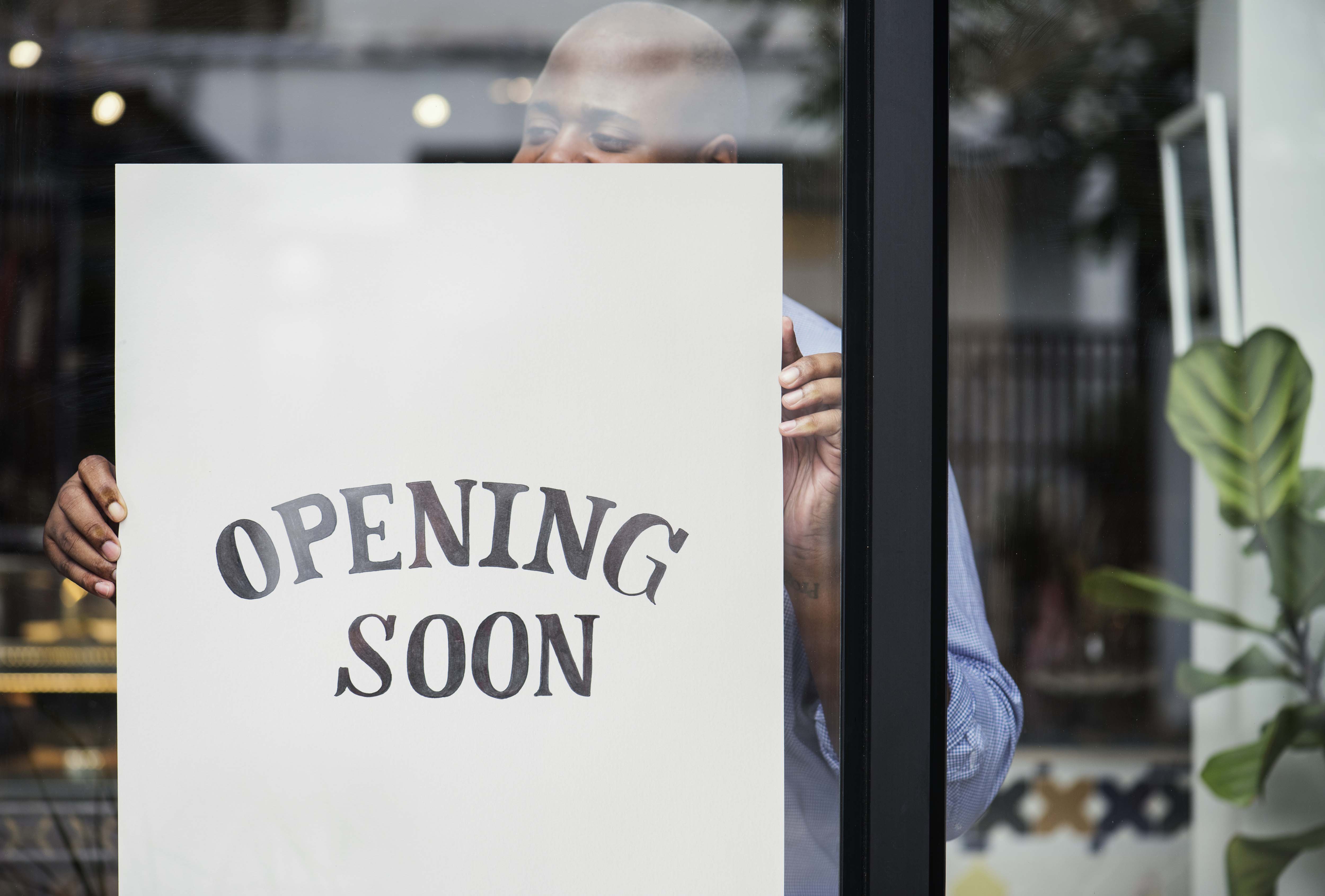

A store waits for customers. A booth goes to find them. That single shift in thinking is what separates F&B brands that stay local from those that grow into something bigger. Most investors focus on getting the physical store right, and that matters.
But a store, no matter how good, is always limited by the people who happen to walk past it. Festivals and booths flip that equation entirely. This is why event-based selling deserves a serious place in your investment strategy, and why the brands that show up in the right places at the right time tend to win.
The Business Models Worth Running Alongside Your Store
A physical outlet is a foundation, not a ceiling. The brands that scale fastest are usually running multiple channels at once. A few worth considering:
-
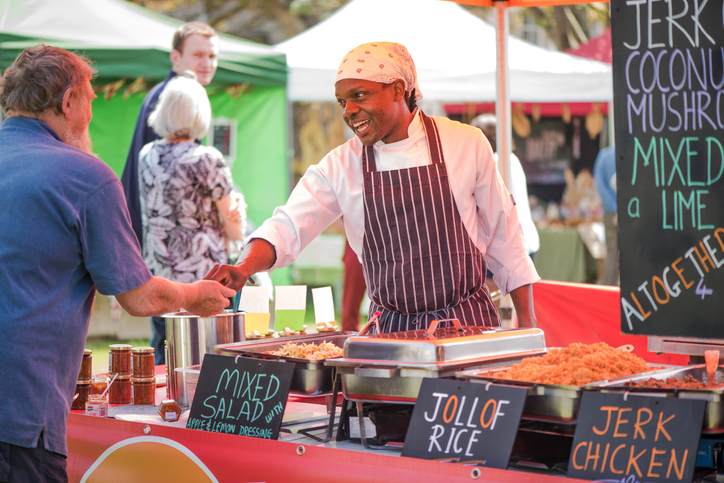
Festival and event booths: concentrated foot traffic, direct sales, and brand exposure all happening on the same day
-
Pop-up collaborations: low-overhead ways to test new markets by plugging into existing venues or events
-
B2B and catering supply: recurring orders from offices, caterers, and other operators that provide predictable monthly income
Each of these requires a different level of investment and pays back on a different timeline. But among all of them, festival booths stand out for one reason: the speed of return.
Why Festivals Hit Different
There is no other environment in F&B that concentrates this many potential customers in one place. A well-trafficked festival booth on a busy weekend can expose your brand to more new people than a store does in a month.
Here is what makes it work:
First, the scale of the trial. In F&B, the most powerful conversion tool is tasting the product. Festivals put your food directly in front of thousands of people who had never heard of you an hour before. That is not something any social media campaign fully replicates.
Second, real-time feedback. A booth is a low-risk test environment. You can adjust pricing, packaging, or menu items mid-event based on what is and is not selling. That kind of live feedback is invaluable, and you are getting paid while you collect it.
Third, organic amplification. Festivals generate content. Visitors photograph food, share stories, and tag locations. A well-presented booth becomes a marketing asset that keeps working after the event closes.
Fourth, investor optics. A brand that shows up at major events signals momentum. It tells wholesale buyers, retail partners, and future investors that the brand is active, growing, and serious.
FUFUFU Dimsum Bar at Pekan Raya Jakarta, A Real Bet on a Real Stage
Victory Prime Consultation's own brand, FUFUFU Dimsum Bar, is not waiting to prove this theory. The brand is soon participating in Pekan Raya Jakarta (PRJ), also known as Jakarta Fair, one of the most significant commercial events in Southeast Asia.
The numbers behind PRJ make the stakes clear. In 2025 alone, Jakarta Fair, attracted 5.9 million visitors over three weeks, with total transactions reaching Rp 7.3 trillion. The event involved 2,550 tenants and 1,550 booths, with 50 percent of participants being micro and small business operators. Antara NewsAntara News
PRJ is recognized as the largest, most comprehensive, and longest-running exhibition and entertainment event in Southeast Asia. First held in 1968, it has grown into an annual icon — not just for Jakarta residents, but for visitors from across Indonesia who travel specifically to attend. LabamuAntara News
For FUFUFU, being part of this is not just a sales opportunity. It is a strategic move. The goals at PRJ are layered: generate direct revenue, build brand recognition among a massive and diverse audience, and use the real-world environment to test menu items and packaging ahead of a planned expansion into frozen food and white-label supply. What gets validated at PRJ becomes the foundation for what goes on a supermarket shelf next.
PRJ also provides a dedicated space for SME entrepreneurs, making it one of the few large-scale events in Indonesia where a growing local food brand can stand alongside established names and compete on product quality alone. That access matters enormously for brands at FUFUFU's stage of growth. Labamu
What Goes In, What Comes Back
A booth at PRJ is an investment with real, calculable components. On the cost side: the participation fee, booth build and branding, staff for the full run, ingredient and stock procurement, and logistics. These are known figures that can be planned for.
On the return side, the picture is broader than just daily sales. Direct revenue from a high-traffic event like PRJ is significant on its own. But the longer-tail, value new followers, wholesale inquiries from buyers who encountered the brand at the event, media coverage, and social content often exceed the immediate transaction numbers.
The discipline a booth enforces is also underrated. Unlike a restaurant, a booth has a clear start and end. That structure forces tight budgeting and makes ROI straightforward to calculate. For an investor evaluating a brand, that clarity is a good sign.
Every Event Builds the Next Chapter
The case for festivals is ultimately cumulative. Each appearance grows a customer base that follows the brand across formats, from the booth at PRJ to the kiosk down the road to the frozen product in the supermarket freezer.
For FUFUFU, PRJ is a stepping stone. The sales data, customer reactions, and brand exposure gathered there feed directly into the next phase of expansion. Products that resonate at the event are the ones most likely to succeed in retail. The audience that discovers FUFUFU at Jakarta Fair becomes the early adopter base for everything that comes after.
The Mindset Shift Investors Need
The brands that win in F&B are not always the ones with the best product. They are the ones that show up consistently, in the right places, in front of the right people.
Every festival, every booth, every pop-up is an investment in brand equity that pays forward. For investors working with Victory Prime Consultation, supporting this kind of multi-channel, event-driven presence from early on is one of the most practical decisions you can make. The store builds the base. The booth builds the brand.
FUFUFU at PRJ is exactly that thinking in action.