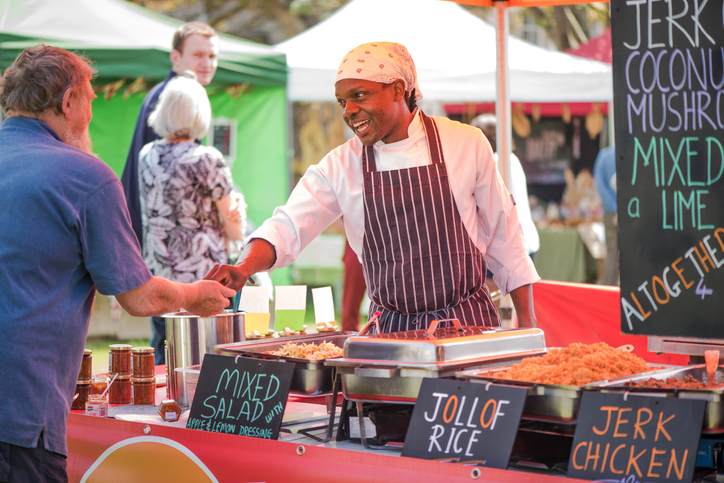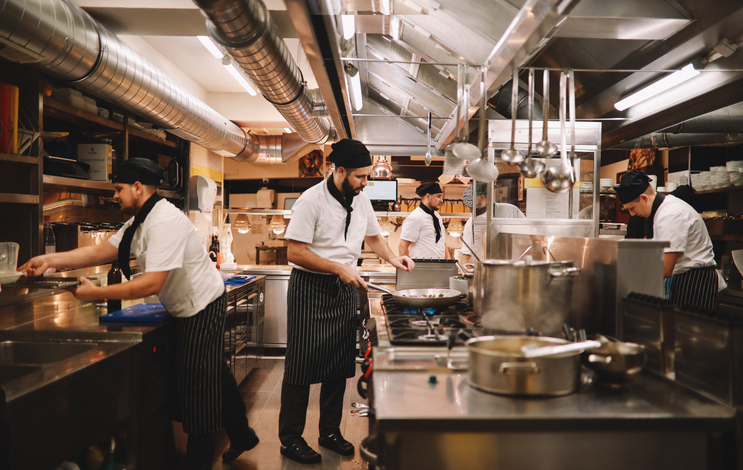

In Indonesia’s rapidly evolving urban dining landscape, high turnover restaurant design Indonesia has become a critical strategy for operators aiming to maximize revenue per square meter while maintaining a strong guest experience. With fast casual and hybrid dining concepts expanding across cities like Jakarta, Surabaya, and Bali, restaurant owners are under increasing pressure to improve table turnover rates without making spaces feel rushed or transactional. The challenge is no longer just operational efficiency, but designing dining environments that naturally encourage faster seating cycles while still delivering comfort, atmosphere, and brand loyalty.
Understanding High-Turnover Dynamics
High-turnover dining thrives on balancing rapid guest cycles which are typically 45-60 minutes per table with an ambiance that feels unhurried and inviting. In urban Indonesia, where Euromonitor notes fast casual growth outpacing traditional formats due to busy millennials and Gen Z, this approach unlocks profitability in prime locations like Surabaya's bustling malls and lifestyle districts. The key is viewing speed as an enhancer: quick service builds energy and repeat visits, not a conveyor-belt rush that alienates diners.
Globally, brands like Sweetgreen or local chains such as Pecel Lele Lela demonstrate that turnover rates of 4-6x per evening can coexist with high satisfaction scores. Asset owners benefit directly, as optimized layouts reduce vacancy risks and amplify NOI through consistent occupancy. Yet, poor execution risks brand dilution diners sense when efficiency overrides enjoyment.
QSR vs. Casual Dining Economics
Quick Service Restaurants (QSRs) excel in pure velocity, often achieving 8-12 turnovers daily with average checks under IDR 50,000 and ticket times below 10 minutes. Their economics shine in high-footfall spots: labor runs 25-30% of sales, food costs hover at 28-32%, yielding 15-20% unit-level profits. Minimalist menus, assembly-line prep, and counter-only service minimize dwell time, ideal for grab-and-go in Southeast Asia's quick-service boom.
Casual dining, by contrast, prioritizes immersion, with 2-3 turnovers per session, checks averaging IDR 100,000-150,000, and 90-120 minute stays. Higher touchpoints inflate labor to 32-38% and food costs to 30-35%, but margins stabilize at 12-18% via premium pricing and beverage upsells. In ASEAN markets, where consumer behavior shifts toward affordable indulgence, casual formats retain loyalty through ambiance but suffer in space-constrained urban venues.
High-turnover hybrids bridge this gap, targeting 5-7 turnovers with fast-casual pricing (IDR 70,000-100,000 checks). They borrow QSR speed via streamlined ordering while adopting casual comforts like communal tables and soft lighting, delivering 18-22% margins. For asset managers, this model maximizes value: shorter cycles mean steadier cash flow without the full-service overhead.
Layout Efficiency for Seamless Flow
Smart spatial design is the silent engine of high turnover, guiding guests intuitively to accelerate cycles without friction. Prioritize a "zone funnel": entry greets with visible kitchen action to build excitement, flowing to intuitive ordering stations (think app kiosks or serpentine queues that entertain with menu visuals). In Indonesia's fast-casual hotspots, this cuts perceived wait times by 20-30%, turning potential frustration into anticipation.
Dining zones follow with flexible seating: 60% high stools at counters for solo/quick groups (20-30 minute eats), 30% four-tops for families, and 10% lounge nooks for lingerers. Aisles of 1.2-1.5 meters ensure swift server navigation, while modular furniture allows peak-hour reconfiguration. Surabaya's lifestyle dining scenes prove this works, venues blending efficiency with greenery report 15% higher throughput without comfort complaints.
Incorporate subtle nudges: angled seats facing exits, clear sightlines to pickup counters, and digital pagers that double as loyalty prompts. These elements shave 5-10 minutes per table, enhancing experience by making movement feel natural, not rushed.
Menu Engineering for Speed and Satisfaction
A high-turnover menu must promise and deliver speed without skimping on craveability. Limit to 12-18 items, 70% ready in under 8 minutes: modular bowls, customizable wraps, or paratha-style rolls that assemble faster than plated entrees. In Southeast Asia's quick-service trend, this mirrors global hits like Chipotle, where visual customization boosts perceived value and speeds decisions.
Focus on "speed stars" like high-margin, low-prep heroes like grilled skewers or stir-fries using pre-portioned proteins. Beverage stations with self-serve taps accelerate add-ons, which comprise 25-30% of checks in efficient concepts. Pair with descriptive naming ("Spicy Basil Chicken Bowl – Ready in 6 Mins") to set expectations, fostering trust and quicker turnover. Test for experience integrity: blind taste panels ensure flavor consistency at speed. Indonesia's urban diners, per ASEAN shifts, reward this (fast casual outlets see 40% repeat rates when quality holds).
Technology as an Experience Amplifier
Digital tools elevate turnover from mechanical to magical, personalizing speed for each guest. QR-code menus load in seconds, enabling pre-orders that sync with kitchen displays, slashing ticket times by 40%. Loyalty apps predict preferences, suggesting "your usual with a twist," turning efficiency into familiarity.
For asset owners, unified POS systems provide real-time occupancy heatmaps, optimizing staff deployment and reducing costs by 10-15%. Contactless payments and table-side ordering via tablets keep servers relational, not robotic, vital for maintaining casual-dine warmth in QSR tempos. In Jakarta or Surabaya, where mobile penetration exceeds 90%, these integrations align with consumer behavior, making high turnover feel modern and guest-centric.
Staffing and Service Rhythms
Crew empowerment drives the human side of speed. Cross-train for fluidity: every staffer handles order, serve, and buss, targeting 1.5 staff per 10 seats during peaks. Incentives tie bonuses to turnover-adjusted satisfaction scores, ensuring speed enhances rapport and quick check-ins like "Everything perfect so far?" build connection in 30 seconds.
Training emphasizes "hospitality bursts": warm greetings, micro-interactions, and fond farewells that make brief visits memorable. This sustains Net Promoter Scores above 70, even at 5x turnover, proving speed and heart coexist.
Marketing and Feedback Loops
Position your concept as "fast favorites with flavor that lingers." Social campaigns showcase quick-prep hacks and guest stories, optimizing SEO for "Surabaya high turnover dining" or "Indonesia fast casual gems." Post-visit surveys via SMS gauge experience, feeding weekly tweaks. Asset maximizers track metrics holistically: revenue per chair-hour (target IDR 150,000+), turnover rate, and dwell time variances. This scalable system ensures sustained value, adapting to ASEAN's evolving tastes.
In Indonesia's fast casual expansion, high-turnover designs don't sacrifice experience—they redefine it, turning assets into profit powerhouses.