
In many restaurants, beverages are still treated as supporting items rather than core revenue drivers. However, adopting a beverage program profit center restaurant strategy can fundamentally shift this mindset by transforming drinks into one of the most profitable components of the business. Instead of being an afterthought, beverages should be intentionally designed as strategic revenue engines through pricing, positioning, and menu engineering.
Industry data from the National Restaurant Association consistently shows that beverage margins often exceed those of food, meaning restaurants that optimize their beverage programs can significantly increase overall profitability. For operators, hospitality groups, and property owners managing dining assets, treating beverages as a profit center rather than an add-on creates stronger tenant performance, higher revenue per guest, and more scalable growth systems.
For restaurant operators, hospitality groups, and property owners who manage dining assets, this presents an important opportunity. A well structured beverage strategy can increase revenue per guest, improve tenant profitability, and create scalable systems that support long term growth. Instead of relying solely on food sales, businesses can use beverages to multiply revenue while maintaining strong margins.
Understanding how to design beverage programs as strategic assets is becoming increasingly important across Southeast Asia. Cities such as Jakarta and Bali are experiencing rapid growth in cocktail culture, specialty coffee, and premium beverage experiences. These trends create new possibilities for operators who are ready to move beyond traditional drink offerings.
Why Beverages Deliver Stronger Margins
The economics of beverages differ significantly from those of food. Food production typically involves higher ingredient costs, more complex preparation processes, and greater risk of waste. In contrast, beverages often require fewer ingredients and shorter preparation time.
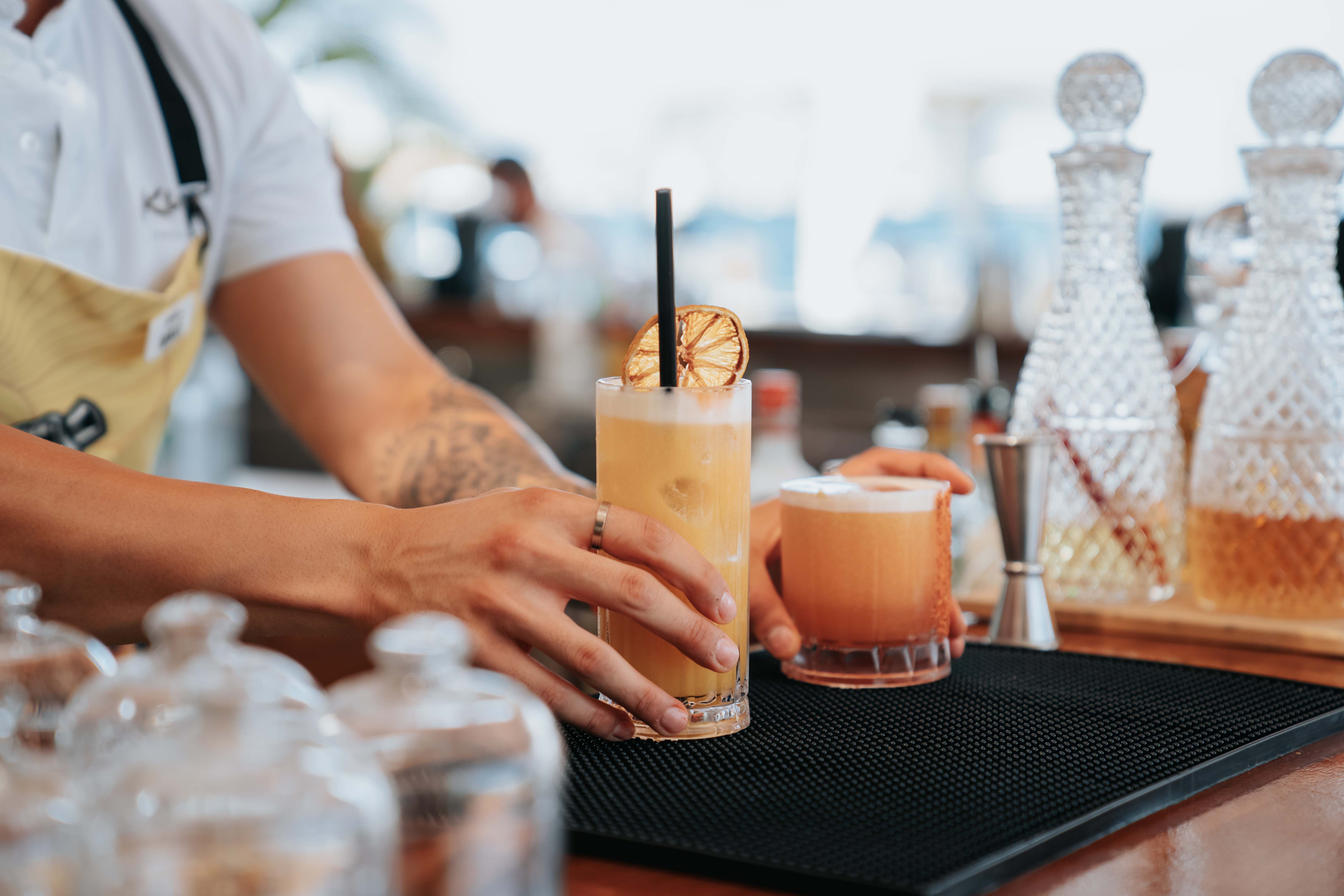
A cocktail, for example, may use a small amount of spirits, mixers, and garnish while commanding a premium price on the menu. Similarly, specialty coffee drinks can generate high margins because the cost of raw materials is relatively low compared to the final selling price.
These margin dynamics make beverages particularly attractive for restaurants that want to strengthen profitability. In many cases, beverage sales can achieve margins that are significantly higher than food items. This creates a margin mix balance that supports the overall financial structure of the business.
However, the full potential of beverage profitability can only be realized through strategic planning. Without proper menu design, pricing, and staff training, restaurants may miss opportunities to maximize beverage revenue.
Designing a Strategic Beverage Menu
A strong beverage program begins with thoughtful menu design. Instead of offering a random collection of drinks, successful operators structure their beverage menus to guide customer choices toward high margin items.
One effective approach involves organizing drinks into clear categories such as signature cocktails, classic favorites, premium spirits, and non alcoholic specialties. Each category serves a specific role in the overall revenue model.
Signature cocktails often deliver the highest margins because they are unique to the establishment and cannot be easily compared with competitors. This allows restaurants to set pricing that reflects creativity and brand identity. Classic cocktails, on the other hand, provide familiarity and reliability. These drinks appeal to customers who prefer recognizable options, helping maintain consistent sales volume. Premium spirits and wine selections introduce higher price points that attract guests seeking elevated experiences. Even if these items sell in smaller quantities, they contribute significantly to total beverage revenue.
Non alcoholic beverages should also receive strategic attention. Mocktails, specialty teas, and craft sodas can generate impressive margins while expanding the menu for guests who prefer alcohol free options.
Understanding Margin Mix Balance
One of the most important concepts in beverage management is margin mix balance. Not every item needs to deliver the same margin, but the overall beverage portfolio should create a healthy profitability structure.
High volume items such as beer or house cocktails may operate with moderate margins but generate consistent sales. Premium cocktails or rare spirits might have higher margins but lower volume. Together, these categories create a balanced revenue model that supports sustainable profitability. Restaurants that rely too heavily on low margin beverages may struggle to maximize revenue potential. Conversely, a menu that focuses exclusively on premium drinks may limit accessibility for certain customers.
The goal is to design a beverage mix that appeals to a wide range of guests while encouraging gradual upgrades in spending. When customers move from basic drinks to specialty cocktails or premium selections, the overall margin performance improves.
Elevating Guest Experience Through Beverage Programs
Beverage strategy is not only about financial performance. It also plays a key role in shaping the overall guest experience. A thoughtfully curated drink menu can elevate the atmosphere of a restaurant and strengthen its brand identity.
In Jakarta, the growth of cocktail culture has encouraged many restaurants to develop creative drink concepts that reflect local flavors and modern mixology techniques. Ingredients such as tropical fruits, regional herbs, and artisanal syrups are being incorporated into signature beverages.
Bali has also become a global destination for innovative bar programs. Many venues blend hospitality storytelling with visually striking cocktails, creating memorable experiences that attract both tourists and local audiences.
These trends demonstrate how beverage programs can function as experiential assets. Guests who enjoy distinctive drinks are more likely to stay longer, order additional rounds, and recommend the venue to others. From an asset management perspective, this translates into stronger tenant performance and higher long term value for hospitality properties.
Pricing Strategy and Revenue Optimization
Pricing is another critical component of beverage profitability. Unlike food pricing, which is often constrained by ingredient costs, beverage pricing allows more flexibility because raw material expenses represent a smaller portion of the final selling price.
Restaurants can apply tiered pricing structures to encourage customers to explore higher value options. For example, a menu may include house cocktails, premium signature drinks, and reserve selections made with top shelf spirits.
This structure creates natural progression. Guests who initially order a basic drink may later upgrade to a more sophisticated option once they become comfortable with the menu.
Happy hour promotions can also play a strategic role. When designed carefully, they attract early evening traffic and introduce customers to drinks they might not otherwise try. Once guests discover a favorite cocktail, they may continue ordering it at regular pricing in future visits.
Training Staff to Drive Beverage Sales
Even the most carefully designed beverage menu will not succeed without knowledgeable staff. Servers and bartenders play a crucial role in guiding customers toward profitable drink selections. Training programs should focus on helping staff understand flavor profiles, ingredient stories, and pairing suggestions. When employees can confidently recommend beverages, guests are more likely to explore the menu beyond their usual choices.
Upselling techniques should feel natural rather than aggressive. A simple suggestion such as recommending a signature cocktail that pairs well with a specific dish can increase both beverage and food sales.In many successful restaurants, beverage knowledge becomes part of the brand culture. Staff members take pride in introducing guests to unique drinks and explaining the inspiration behind them.
Building Scalable Beverage Systems
For hospitality groups and multi location restaurants, beverage programs must be designed with scalability in mind. Consistency across outlets helps maintain brand reputation while simplifying operational management. Standardized recipes are essential. Each cocktail or beverage should have clear preparation guidelines that ensure the same taste and presentation across all locations.
Centralized procurement systems can also improve cost efficiency. Purchasing spirits, mixers, and bar supplies in larger volumes often allows operators to negotiate better pricing with suppliers. Inventory management tools help track usage patterns and reduce waste. Monitoring beverage consumption data allows managers to identify which drinks perform best and adjust the menu accordingly. These systems create operational transparency while supporting long term cost control.
The Strategic Value of Beverage Programs
Beverage programs represent one of the most underutilized profit opportunities in the restaurant industry. When treated as strategic assets rather than simple add ons, drinks can significantly strengthen overall business performance.
A well managed beverage strategy multiplies revenue by increasing average spending per guest while maintaining strong margins. It also enhances the guest experience, encourages longer visits, and supports brand differentiation in competitive markets.For property owners, hospitality developers, and restaurant operators who want to maximize the value of their assets, investing in beverage programs is a logical step. Strong bar concepts can attract high performing tenants, increase customer traffic, and elevate the overall reputation of dining destinations.
As the hospitality landscape in Southeast Asia continues to evolve, businesses that recognize the financial and experiential potential of beverages will gain a clear competitive advantage. By combining thoughtful menu design, strategic pricing, and efficient management systems, beverage programs can become powerful engines of sustainable growth.