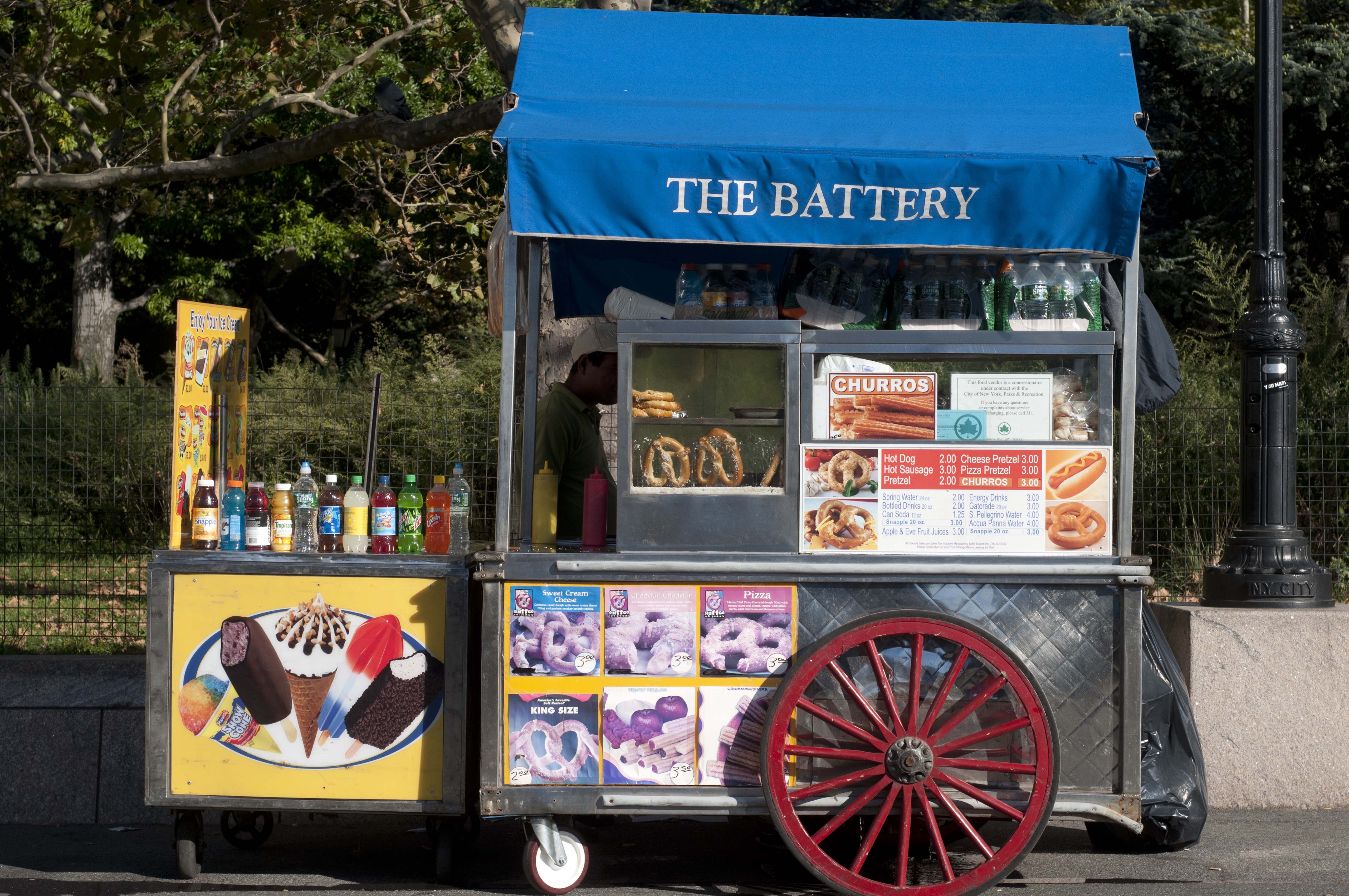

For many restaurant brands, growth is often associated with opening new physical locations, but restaurant to food cart expansions is emerging as a more agile and cost-efficient strategy. While traditional expansion can increase visibility and revenue, it also comes with high capital expenditure, operational complexity, and long timelines. In contrast, food carts offer a flexible model that allows brands to scale faster, reach new audiences, and adapt to changing consumer demand.
For Victory Prime Consultation, expanding its restaurant brand Fufufu into a mobile food cart is not just an extension of operations. It is a strategic move that allows the brand to reach new audiences, test markets, and scale with flexibility. When executed correctly, a food cart can act as both a revenue driver and a marketing tool that strengthens brand presence.
Why Food Carts Make Strategic Sense
Food carts operate with significantly lower upfront investment compared to traditional restaurants. There is no need for long term leases, large staffing structures, or complex interiors. This allows businesses to enter high traffic areas with minimal risk.
More importantly, food carts are mobile. This mobility enables brands to position themselves where demand is highest. Whether it is a busy street, an event, or a tourist hotspot, food carts can adapt quickly to changing consumer patterns.
From an investment perspective, this creates a scalable model. Instead of committing large capital to a single location, businesses can deploy multiple carts, test performance, and optimize before expanding further.
Translating a Restaurant Brand into a Cart Concept
Not every restaurant concept can be directly transferred into a food cart. The key is simplification without losing identity. For Fufufu, this means identifying signature elements that can be delivered quickly, consistently, and with minimal equipment.
The first step is menu adaptation. A food cart menu should focus on items that are easy to prepare, require short cooking times, and can be served in portable formats. Complex dishes with multiple components or long preparation processes are not suitable.
The second step is operational design. Every element, from ingredient storage to cooking flow, must be optimized for a compact space. Efficiency is critical because food carts typically operate with limited staff and equipment.
The third step is branding. Even though the format is smaller, the brand experience should remain strong. Visual identity, packaging, and customer interaction all play a role in maintaining consistency with the main restaurant.
What to Prepare Before Launching
Launching a food cart requires careful planning across several areas:
1. Legal and Licensing Requirements
Each location may have different regulations regarding street food operations. These can include permits, hygiene certifications, and zoning restrictions. Ensuring compliance is essential to avoid operational disruptions.
2. Equipment and Setup
Food carts require specialized equipment that fits within a limited space. This may include compact grills, fryers, or induction stoves, depending on the menu. Power supply and waste management systems must also be considered.
3. Supply Chain Management
Consistency in quality depends on a reliable supply chain. Ingredients should be easy to store and replenish. Ideally, the food cart should leverage the existing supply system of the main restaurant to maintain efficiency.
4. Staffing and Training
Staff operating the cart must be trained to handle multiple roles, including cooking, serving, and handling payments. Speed and customer service are critical in high traffic environments.
5. Location Strategy
Choosing the right location can determine the success of a food cart. High foot traffic areas such as business districts, campuses, and tourist attractions are ideal. Testing different locations can help identify the most profitable spots.
Choosing the Right Food for a Cart
Certain types of food perform better in a food cart setting due to their simplicity, speed, and popularity. These include:
Street Friendly Comfort Food
Items like rice bowls, sandwiches, and noodles are easy to prepare and widely appealing. They can be customized while maintaining a streamlined process.
Grab and Go Snacks
Finger foods such as skewers, fried snacks, and pastries are ideal for customers on the move. They require minimal packaging and can be consumed easily.
Signature Beverages
Drinks like iced tea, coffee, or specialty beverages can complement the menu and increase average transaction value.
For Fufufu, the goal is to identify a few standout items that represent the brand while being practical for a cart environment. A focused menu often leads to faster service and higher consistency.
Learning from Indonesia’s Food Cart Trend
In Indonesia, the shift from restaurant dining to mobile food carts is already proving successful, particularly in Jakarta. One of the most notable trends is the rise of nasi Padang sold through mobile carts, transforming a traditionally dine-in experience into a practical, grab and go format.
Concepts like Si Paling (Padang Keliling) and @dangdangdang demonstrate how this works. Using simple bicycle or motorbike carts, they offer popular dishes such as rendang, paru, and dendeng at accessible price points starting from around Rp15.000. Despite the simplified setup, they maintain the essence of the original menu while reaching a broader market.
According to reports from Detikcom, this model is part of a wider trend where restaurant style meals like ayam geprek and rice bowls are being adapted into mobile formats. These businesses succeed by combining affordability, speed, and mobility, meeting the needs of urban consumers who prioritize convenience (Detikcom).
For Victory Prime Consultation and Fufufu, this highlights a clear opportunity. By distilling the restaurant’s core offerings into a focused and efficient menu, a food cart can serve as both a revenue stream and a strategic tool to expand market reach.
Food Carts as a Branding Tool
Beyond revenue, food carts serve as powerful marketing assets. Their presence in public spaces increases brand visibility and creates direct engagement with customers. Unlike traditional advertising, food carts offer a tangible experience that can build stronger connections.
They also provide an opportunity for experimentation. New menu items, pricing strategies, and branding concepts can be tested in real time. Insights gained from these experiments can inform decisions for the main restaurant and future expansions.
Managing Challenges
While food carts offer many advantages, they also come with challenges. Weather conditions, limited storage, and operational constraints can impact performance. However, these challenges can be mitigated through careful planning and adaptability.
For example, menu design can account for weather by including items that perform well in different conditions. Storage limitations can be addressed through frequent restocking and efficient inventory management.
A Scalable Vision for Victory Prime Consultation
For Victory Prime Consultation, launching a food cart for Fufufu represents a step toward a more dynamic and scalable business model. It allows the brand to extend its reach beyond a fixed location and engage with customers in new ways.
From an investor’s perspective, this approach reduces risk while opening multiple pathways for growth. It combines the strength of an established restaurant brand with the flexibility of a mobile operation.
In a competitive market, adaptability is key. Food carts provide a platform for innovation, allowing businesses to respond quickly to trends and consumer preferences.
Conclusion
Expanding a restaurant into a food cart is not just about downsizing operations. It is about reimagining how a brand connects with its audience. With the right preparation, menu strategy, and operational design, a food cart can become a powerful extension of an existing business.
For Victory Prime Consultation and Fufufu, this move represents an opportunity to grow smarter, not just bigger. By embracing mobility, simplicity, and customer engagement, the brand can unlock new value for both its customers and its investors.