
Adapting Restaurant Models to Post-Pandemic Consumer Habits
The global restaurant industry is in the midst of a fundamental recalibration. Consumer expectations, profoundly reshaped by the pandemic, now demand a delicate balance between efficiency and experience. On one end of the spectrum, the Quick Service Restaurant (QSR) model champions speed and convenience. On the other hand, fine dining offers immersive culinary artistry. Yet, today, the most innovative and successful concepts are not choosing a side; they are blending the best of both worlds.
The rise of the hybrid dining model is a direct response to this new consumer paradigm. By integrating elements from both QSR and fine dining, these flexible concepts are capturing a wider demographic and optimizing for operational resilience. For operators navigating this dynamic landscape, from mature markets like Dubai to high-growth emerging hubs like Bandung, Batam, and Surabaya, understanding how to align service models with modern behaviors, technology, and operational realities is the key to sustained success.
The Quick Service Model: Efficiency and Convenience at Scale
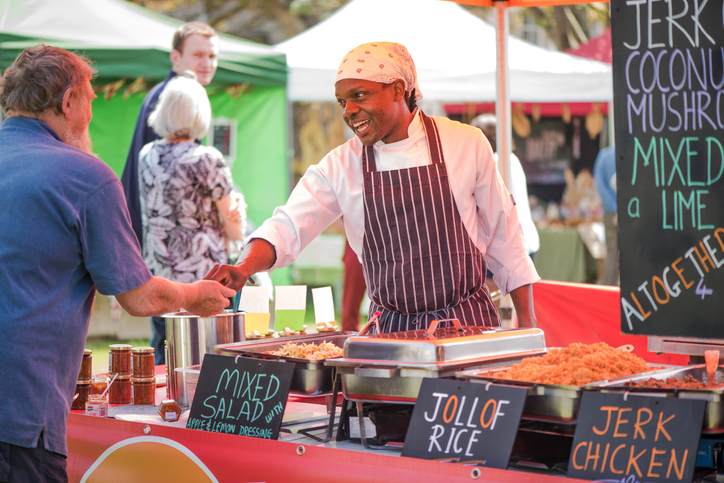
Quick service restaurants, the powerhouse of the industry, are built on a foundation of speed, standardization, and value. Their operational blueprint is designed for high-volume throughput and maximum efficiency, making them incredibly resilient and scalable.
Operational Characteristics
-
Streamlined Menu: Limited, tested menu items allow rapid preparation and consistent quality.
-
Automated Processes: Technology, including self-order kiosks, mobile apps, and kitchen display systems, enables faster service and reduces labor dependency.
-
Cost Control: Standardized ingredients and supply chains reduce costs and simplify logistics.
-
Multi-Channel Sales: Strong digital ordering and delivery presence expands reach beyond physical locations.
Consumer Expectations
The pandemic amplified consumer desire for safety, minimal-contact service, and sheer speed, attributes where the QSR model excels. Urban professionals, families, and younger demographics who prioritize convenience and reliability continue to drive demand. The hyper-competitive QSR market in Dubai, with its tech-savvy, cosmopolitan population, serves as a global benchmark for successfully integrating automation and digital engagement to meet these expectations at a massive scale.
The Fine Dining Model: Experience, Craftsmanship, and Engagement
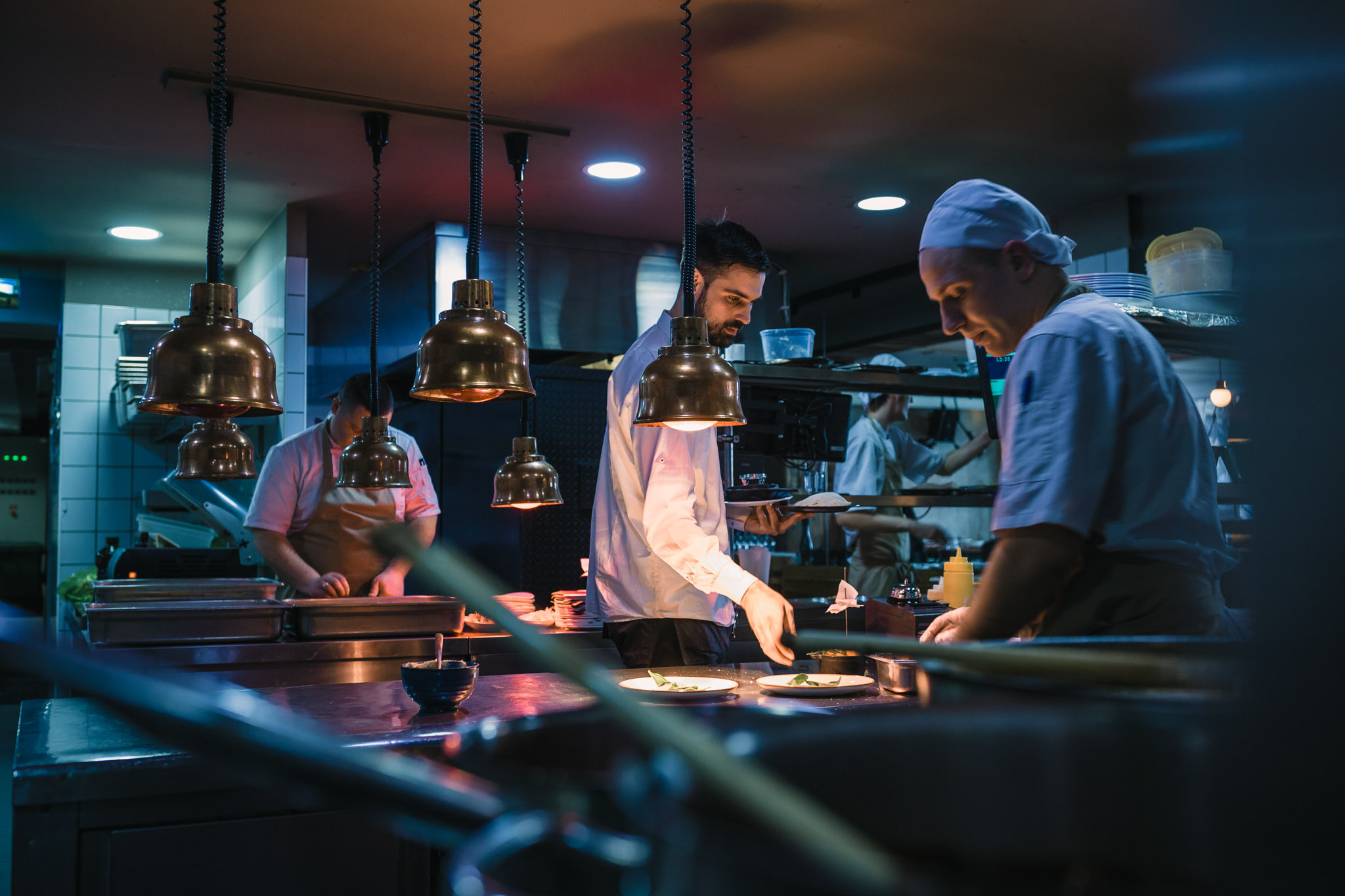
Fine dining operates on the opposite principle: it sells an occasion, not just a meal. It prioritizes culinary creativity, elaborate personalized service, and a meticulously crafted ambiance, catering to patrons seeking unforgettable, celebratory experiences.
Operational Characteristics
-
Expansive and Curated Menu: Menus are often seasonal, ingredient-driven, and conceived by highly skilled chefs, functioning as the centerpiece of a unique narrative.
-
Labor-Intensive, High-Touch Service: Highly trained sommeliers, servers, and hosts deliver attentive, personalized service, anticipating guests' needs and enhancing the overall experience. This often results in labor costs exceeding 35% of revenue.
-
Investment in Ambience and Design: Significant capital is invested in hospitality design, from lighting and acoustics to custom furniture, to evoke a sense of luxury, comfort, and exclusivity.
-
Lower Volume, Higher Margin: The focus is on maximizing revenue per guest and ensuring unparalleled satisfaction rather than rapid table turnover.
While the pandemic created initial headwinds, the fundamental human desire for experiential dining has proven incredibly resilient. Supported by affluent consumer segments and the "revenge spending" trend on special occasions, fine dining has bounced back strongly. The fine dining sector in the UAE, for example, continues to innovate with immersive gastronomic concepts, "storytelling" menus, and a focus on wellness, highlighting the model's enduring appeal.
Hybrid Dining Models: The Best of Both Worlds
The most exciting recent trend, especially in dynamic emerging markets like Bandung and Surabaya, is the rise of the hybrid restaurant format. These models artfully merge QSR-level convenience with the experiential elements of café culture and casual dining. A 2024 report from Kompas Lifestyle highlights how these adaptable spaces allow customers to grab a quick, high-quality coffee and pastry on their way to work or settle in for a leisurely meal with friends in the same venue.
Features of Hybrid Dining
-
Flexible seating and service options catering to both time-pressed diners and experience seekers.
-
Integration of retail elements such as artisanal products and branded merchandise.
-
Use of technology for seamless ordering, customized recommendations, and loyalty programs.
-
Innovative menu formats combining fast-casual items with specialty beverages and limited experiential dishes.
CBRE’s global insights emphasize millennials as primary drivers, valuing authenticity and social experiences alongside convenience is a key rationale behind the hybrid model’s popularity.
Operational Implications for Restaurant Operators
Balancing speed with experience requires adapting operational workflows and infrastructure:
-
Kitchen Configuration: Multi-purpose kitchens capable of producing both fast items and complex dishes efficiently.
-
Staff Training: Versatility in staff skills to deliver rapid service while maintaining personalized guest engagement.
-
Technology Deployment: Adoption of integrated POS systems, digital menus, and automated back-of-house management.
-
Facility Design: Flexible layouts supporting solo diners, groups, quick turnover, and comfortable lounging.
In Bandung and Surabaya, operators successfully combining these factors have achieved improved customer retention and revenue diversification, setting a replicable blueprint for other emerging markets.
Addressing Recent Challenges
Operators must also contend with inflation-driven cost pressures, labor market constraints, and evolving health regulations. Hybrid models can mitigate some challenges by optimizing ingredient use across menu tiers and tailoring service intensity based on demand. Importantly, balancing service speed with hygiene and safety protocols remains crucial to consumer confidence post-pandemic.
Looking Ahead: Innovation and Experience as Growth Drivers
The future of dining is neither purely quick-service nor exclusively fine dining. It lies in the intelligent blending of these models. Consumer loyalty will gravitate toward brands that offer flexibility, genuine engagement, and seamless technological integration. Operators who can innovate their menus, leverage customer data for personalization, and design adaptable, multi-purpose spaces will not just survive, but they will thrive. From Bandung to Dubai, the message is clear: the ability to deliver both speed and experience is no longer a choice, but the new standard for success.