
Multi Unit F&B Brand Scaling Strategy: From Single Outlet to Profitable Expansion
A strong multi unit F&B brand scaling strategy is essential for operators looking to grow from a single successful outlet into a scalable business. In fast-growing markets like Indonesia, expansion requires more than demand, it depends on consistent systems, operational discipline, and replicable processes. By implementing a structured multi unit F&B brand scaling strategy built on SOP standardization and central kitchen efficiency, restaurant owners can expand sustainably while maintaining quality, profitability, and brand identity.
Assess Readiness for Growth
Before launching new outlets, rigorously evaluate your single location's performance. Consistent profitability is key and supposedly aim for at least 12-18 months of stable margins above 15-20% to fund expansion without debt overload. In Indonesia, where F&B contributes over 7% to GDP and grew 4.47% in 2023, single outlets must prove replicability amid rising urban demand for agriculture.
Conduct a full operational audit: review financials, customer feedback, and team retention. Refine your menu to 80% core items that travel well, cutting unique specials that complicate scaling. Tools like POS analytics help spot bottlenecks, ensuring your model supports multi-unit demands without quality dips.
Develop Ironclad SOPs for Replication
Standard Operating Procedures (SOPs) form the backbone of multi-unit success, enabling seamless replication across locations. Document every process, from FOH greeting protocols to BOH prep lists and can be using visuals, checklists, and QR-coded videos for quick access. A 2024 Technomic study shows restaurants with robust SOPs cut service errors by 32% in new sites' first three months
Categorize SOPs by front-of-house (order taking, guest recovery), back-of-house (inventory, cleaning), and support functions (cash handling, training). Train managers as "SOP champions" via a train-the-trainer model, tying compliance to incentives for accountability. In Southeast Asia's competitive F&B scene, this standardization prevents brand dilution as chains like Chinese imports expand rapidly.
Prioritize digital platforms like Google Drive or Notion for cloud access, with laminated prints in high-traffic areas. Quarterly audits and feedback loops keep SOPs evolving, adapting to local nuances like Indonesia's diverse tastes without core changes.
Implement Central Kitchen Operations
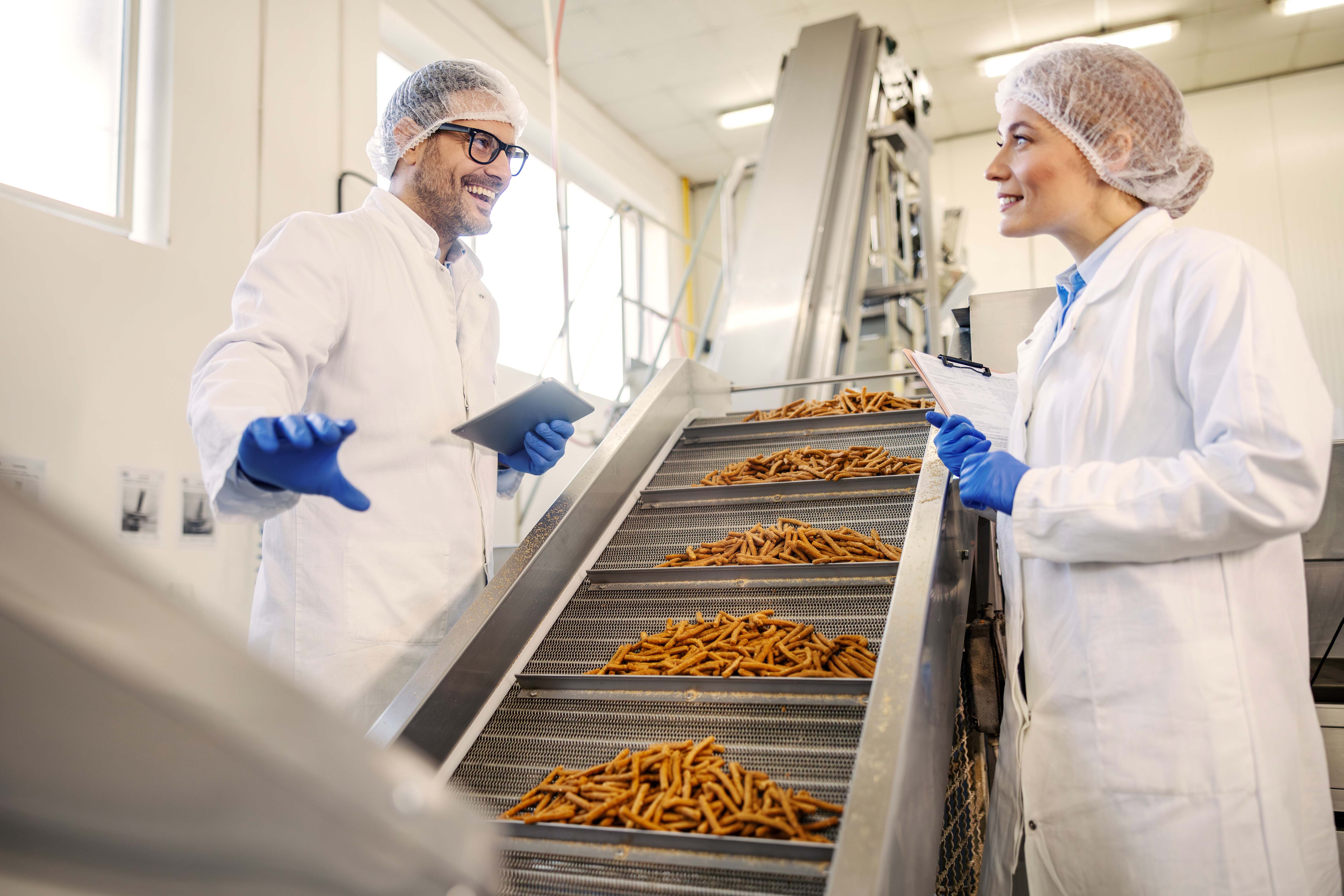
A central kitchen revolutionizes scaling by centralizing prep, slashing costs, and ensuring uniformity. Produce sauces, marinades, doughs, and proteins in one facility, distributing to outlets daily can cut labor by 20-30% and waste via bulk buying. For Indonesia's multi-outlet F&B brands, it's essential amid ASEAN's $132.9 billion market growing 4.6% yearly.
Start small: convert excess space in your original outlet or lease nearby. Equip with commercial mixers, blast chillers, and vacuum sealers; integrate inventory software for real-time tracking. Recipes must be idiot-proof, with exact yields (e.g., 10kg batch yields 100 portions) to maintain taste consistency.
Compliance is critical. HACCP protocols prevent cross-contamination, vital in humid climates like Jakarta or Surabaya. Pilot with one new outlet: monitor taste tests and shelf life (aim for 48-72 hours). Successful central kitchens boost margins by 5-10% through economies of scale.
Select Expansion Model and Markets
Choose between company-owned, franchising, or hybrid based on capital and control needs. Company-owned offers full oversight for SOP enforcement, ideal for early stages; franchising accelerates growth in Southeast Asia, where franchising's "next big move." Indonesia's chained limited-service restaurants outpace independents through 2027, per Euromonitor.
Target high-potential markets: In Indonesia, urban hubs like Surabaya boast a 79/100 opportunity score, $4,600 average income, and 88/100 foot traffic, supporting 3-5 locations in 24 months. Broader ASEAN trends favor value-driven chains amid 7.5% projected expansion. Scout via foot traffic data and competitor mapping; aim for 1-2 new outlets first.
Secure Funding and Build the Team
Bootstrap if possible, or seek investors, highlighting your SOPs and central kitchen as low-risk scalability proofs. Indonesia's F&B investment surges with GDP ties, but prepares projections showing 20-25% ROI post-Year 1. Grants for ASEAN exports add appeal for regional plays.
Hire scalable talent: Area managers oversee 3-5 units, trained rigorously on SOPs. Promote internally for culture fit; outsource recruitment initially. Multi-unit GMs need leadership over ops expertise and can be empowered with dashboards for remote monitoring.
Launch New Outlets with Precision
Rollout phases: Site selection (high-visibility, 500-1000m²), buildout (4-6 months mirroring original), and soft launch. Ship central kitchen stock Day 1; run 2-week SOP bootcamp with original team shadowing. Tech stack (unified POS), inventory apps can also ensure data flows centrally.
Marketing Example: Leverage local SEO for "Surabaya [your brand]" and social teasers tied to the original's buzz. Track KPIs: same-store sales growth >10%, labor <30% of revenue.
Monitor, Optimize, and Sustain Profitability
Post-launch, dashboards track variances in food costs (target <32%), guest scores (>4.5/5), and SOP adherence via audits. Monthly reviews flag issues, for example tweak central recipes for regional spices. Profitability holds via 5-7% margins per unit after Year 1, fueled by volume.
In Indonesia's rising multi-unit scene, brands succeeding blend SOP rigor with central efficiency, capturing urban booms like Surabaya's. Scale deliberately: consistency trumps speed.