The Rise of Delivery-First and Hybrid Dining Models
The global foodservice industry is in the midst of a revolutionary transformation, rapidly shifting from traditional brick-and-mortar setups to delivery-first and hybrid dining models. This evolution, fueled by the explosive growth of cloud kitchens and virtual brands, was significantly accelerated by the demand for contactless, on-demand service. For visionary restaurateurs and sophisticated investors, recognizing this transition is crucial for designing scalable, tech-enabled operations that meet and anticipate evolving customer needs.
Markets across the globe demonstrate this shift. Indonesia’s bustling urban centers, including Surabaya and Jakarta, lead with aggressive delivery-first startup expansion. Simultaneously, mature metropolitan centers like Dubai are strategically investing in virtual kitchens and highly flexible hybrid spaces that optimize high-traffic dining with hyper-efficient delivery logistics.
Evolving Delivery Models and Market Drivers
Cloud kitchens (also known as ghost kitchens) are commercial facilities dedicated exclusively to fulfilling online orders, operating without a customer-facing dining area. This focus has made them a dominant force, supported by low operational overhead. Virtual brands leverage this model, operating solely through digital delivery platforms to maximize market reach and rapidly test new culinary concepts.
Key drivers making the delivery-first approach an essential strategy include:
-
Cost Efficiency & Real Estate Reduction: By eliminating the expense of prime retail locations and reducing non-kitchen labor, operators achieve significantly improved margins.
-
Menu Agility and Data-Driven Design: Integrated data analytics allow for rapid identification of consumer trends, enabling operators to pivot menus swiftly and localize offerings far faster than traditional restaurants.
-
Seamless Technology Integration: Success hinges on the seamless coordination between ordering platforms, kitchen management systems, and third-party delivery logistics.
-
Consumer Convenience: The demand for high-quality, on-demand food access perfectly aligns with modern, mobile-first, and time-constrained lifestyles.
The Foodservice Technology sector in Asia, particularly in Indonesia (as highlighted by recent DealStreetAsia reports), exemplifies this rapid growth, driven by a mobile-first population and advancing internet penetration.
Hybrid Spaces: Integrating Physical & Digital Dining
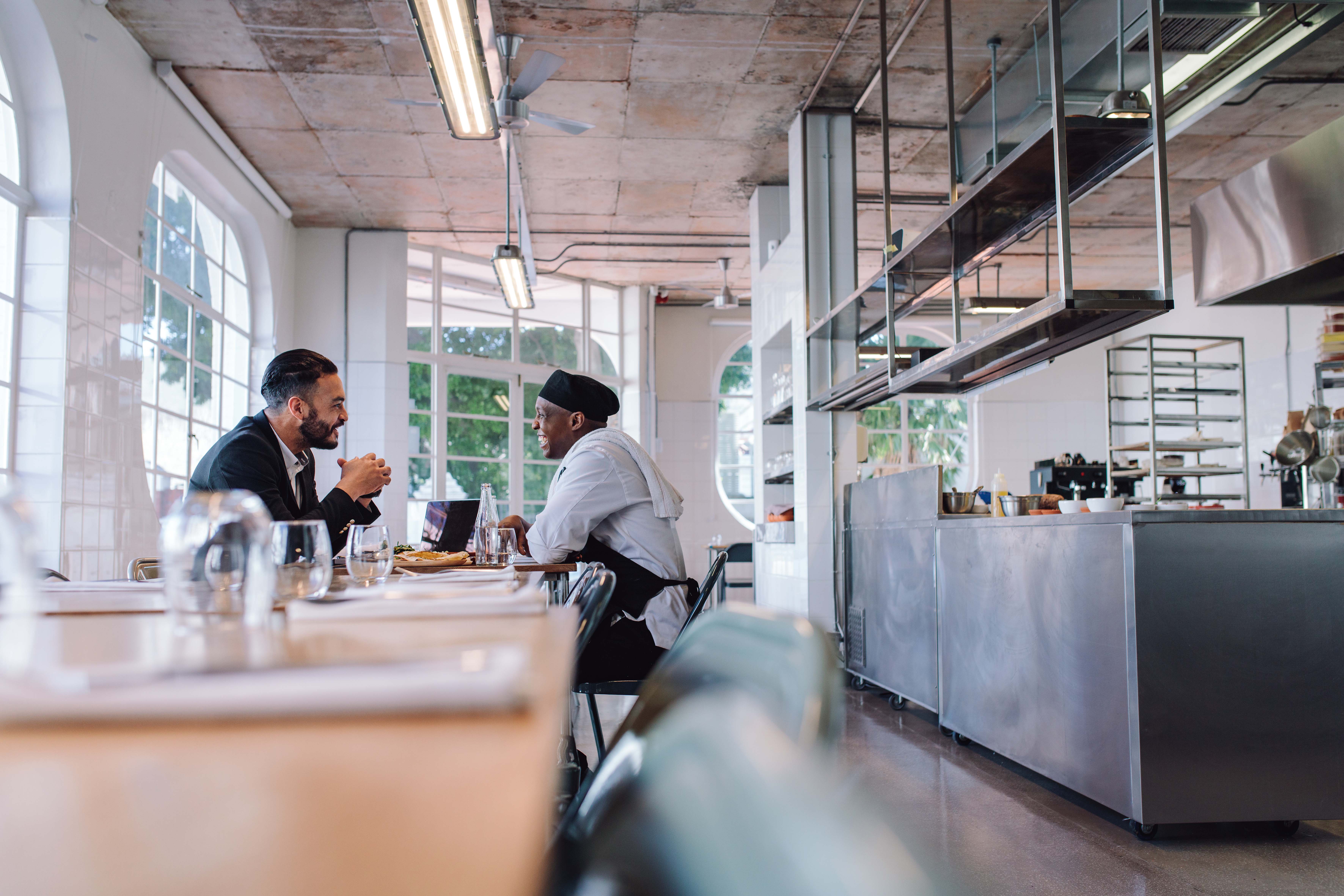
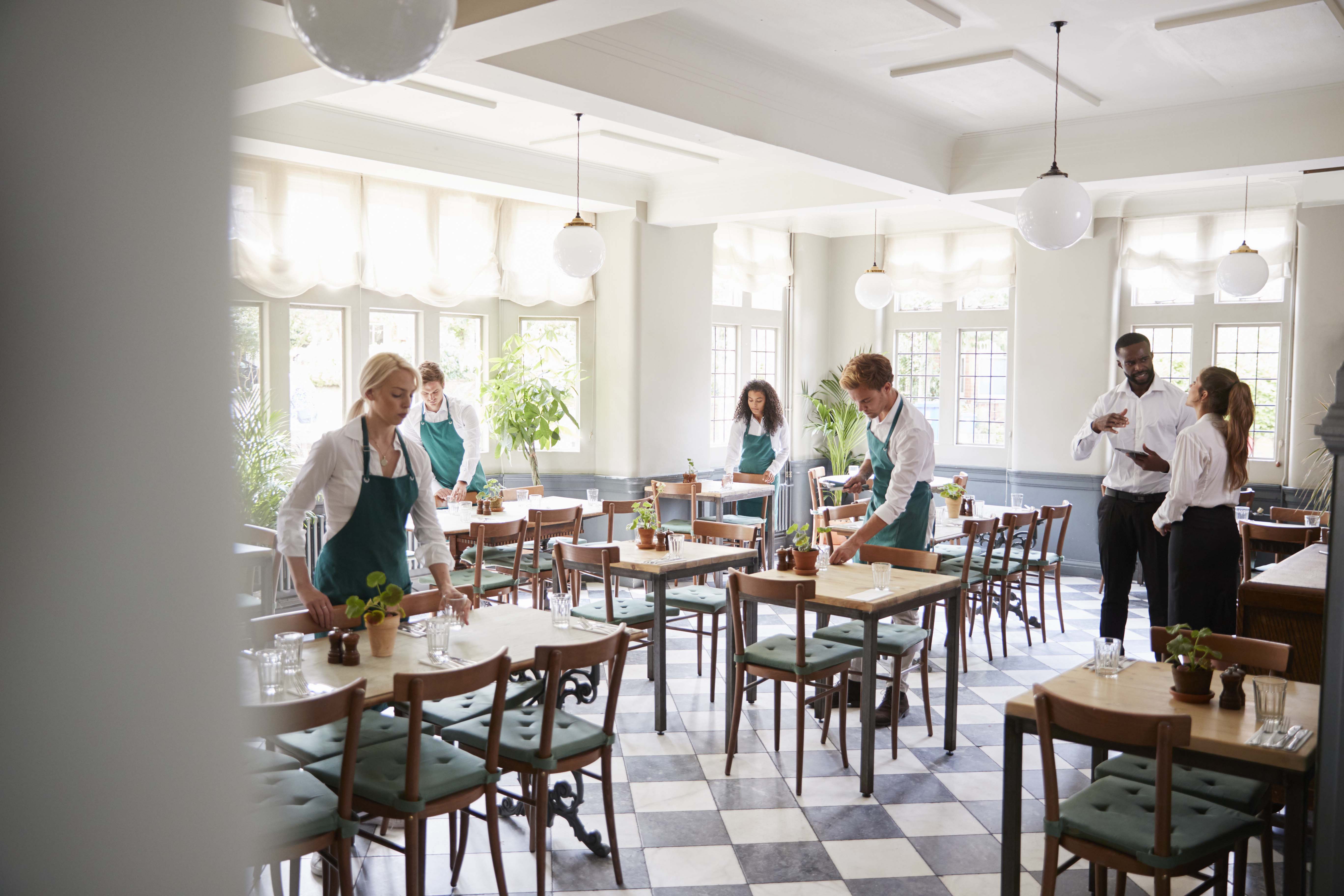
Hybrid dining models represent the next evolution, balancing the experiential value of a physical location with delivery efficiency. These concepts are designed for maximum asset utilization and resilience:
-
Optimized Multi-Purpose Design: Spaces may feature casual dine-in areas geared for quick service, digital order kiosks, and dedicated grab-and-go counters.
-
Integrated Logistics Hubs: The back-of-house often functions as a cloud kitchen hub, supporting both the dine-in concept and multiple off-site virtual brands.
-
Resilience and Scalability: As noted by real estate and investment analysts, hybrid concepts are favored for their ability to generate diverse revenue streams (dine-in, takeout, delivery, catering) from a single footprint, offering resilience against sudden market shifts.
This flexibility strongly appeals to Millennials and Gen Z, who prioritize both experiential dining and ultimate convenience, making the concept a magnet for strategic venture capital and real estate investment in commercial hubs like Dubai.
Technology Platforms Shaping the Delivery Economy
Central to delivery-first success are robust technology platforms enabling:
-
Order Aggregation and Unified Dashboards: Tools that consolidate orders from multiple food delivery service apps (Gojek, GrabFood, Uber Eats) into a single, manageable interface, eliminating errors and streamlining kitchen workflow.
-
Real-Time Kitchen Display Systems (KDS): Digital screens that manage prep times, route orders based on complexity, and coordinate with riders to ensure minimal wait times.
-
AI-Driven Pricing and Forecasting: Advanced analytics used for dynamic pricing, targeted promotions, and highly accurate demand forecasting, which minimizes food waste and maximizes margins.
-
Proprietary Customer Engagement: Tools for personalized communication, feedback loops, and building loyalty programs that help operators retain control over customer data and relationships, reducing reliance on third-party platforms.
Operators who successfully embed these advanced systems gain critical operational insights, driving continuous improvement and a sustainable competitive advantage.
Case Study: Surabaya & Jakarta’s Delivery-First Growth Engines
For investors, delivery-first and hybrid restaurant models present a compelling case due to their distinct financial advantages:
-
Lower Capital Intensity: Significantly reduced upfront costs compared to full-service restaurants, as less capital is tied up in expensive prime locations and aesthetic front-of-house build-outs.
-
Faster Market Penetration: Virtual brands can be launched and tested within weeks, accelerating the process of market validation and concept iteration without the typical regulatory and lease negotiation delays.
-
Enhanced Unit Economics: Integrated tech systems provide granular, transparent data into every order, allowing for superior control over labor, inventory, and cost of goods sold (COGS).
-
Maximized Asset Utilization: Multi-brand, multi-kitchen management allows operators to maximize the revenue generated per square foot of kitchen space.
These models offer not just growth, but strategic scalability, allowing rapid, low-risk expansion into new geographical areas and demographic segments.
Investment Opportunities and Scalability
For investors, delivery-first and hybrid restaurant models offer compelling opportunities:
-
Lower Capital Intensity: Reduced need for prime physical locations and front-of-house staffing.
-
Faster Market Penetration: Virtual brands can launch without lease negotiation, testing new concepts rapidly.
-
Data-Driven Decision Making: Enhanced transparency into unit economics through integrated tech systems.
-
Scalability: Multi-brand and multi-kitchen management maximize asset utilization and revenue streams.
-
Adaptability: Rapid menu iteration and localized offerings respond to intricate consumer and competitive dynamics.
Dubai’s commercial hubs increasingly attract venture capital and real estate investment, focusing on these scalable, technology-driven concepts.
Challenges and Mitigation Strategies
Despite advantages, delivery-first models pose challenges:
-
Quality Assurance: Maintaining taste and presentation consistency during delivery demands innovative packaging and operational rigor.
-
Platform Dependence: Reliance on third-party delivery apps may dilute margins and customer relationships.
-
Brand Differentiation: Virtual brands must invest in digital marketing and unique value propositions to build loyalty in crowded marketplaces.
-
Regulatory Compliance: Meeting food safety and labor regulations within fast-paced delivery contexts requires diligence.
Strategic integration of proprietary platforms, in-house delivery services, and customer engagement fosters long-term resilience.
Future Outlook: The Next Wave of Delivery Innovation
Emerging concepts such as ghost kitchen networks, AI-driven demand forecasting, and autonomous delivery vehicles promise to further disrupt dining landscapes. Data analytics will deepen personalization, offering hyper-local, dietary-specific, and trend-responsive menus. Hybrid models expanding front-of-house experience alongside delivery precision will redefine “restaurant” in the coming years, prioritizing flexibility, sustainability, and seamless digital-physical integration.
Is your operation truly optimized for the hybrid future? Book a strategic consultation today to analyze your current unit economics and develop a tailored roadmap for launching or optimizing your own high-margin Cloud Kitchen or Virtual Brand portfolio. Elevate your strategy from reaction to revolution.