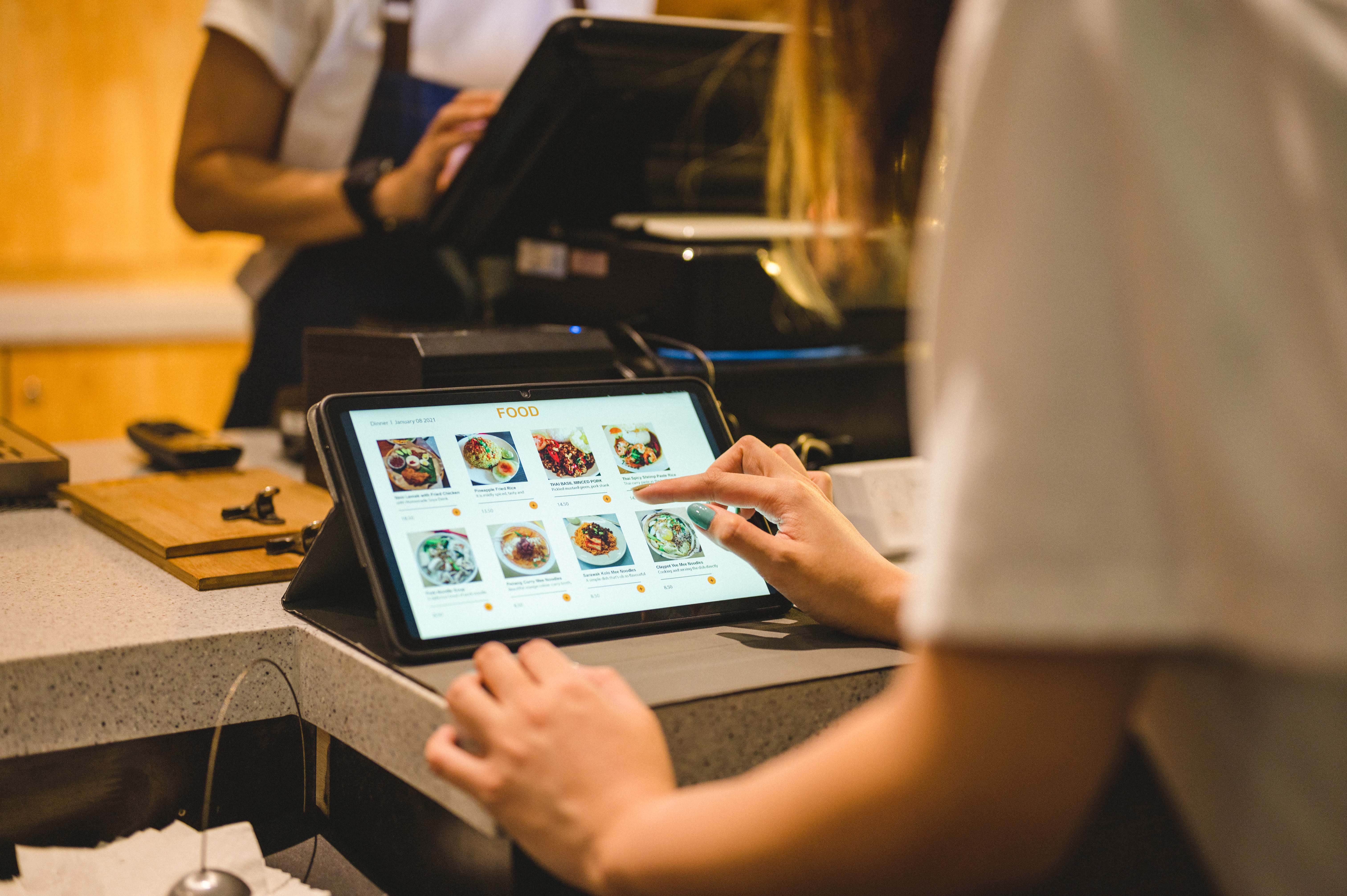

Data Driven F&B Decision Making Strategy for Restaurant Profitability and Growth
In today’s rapidly evolving food and beverage industry, especially across Southeast Asia’s dynamic markets such as Jakarta and broader Indonesia, success is increasingly determined by the ability to act on real-time information rather than intuition. A strong data driven F&B decision making strategy allows restaurant owners and investors to move beyond guesswork by leveraging POS analytics, performance metrics, and consumer behavior insights. According to Google’s e-Conomy SEA report, digital adoption among F&B businesses is accelerating, making data driven F&B decision making strategy a critical advantage for optimizing pricing, staffing, and inventory while improving profitability and reducing operational risk.
The Macro Trends Driving Digital Adoption in Southeast Asia’s F&B Sector
Southeast Asia’s F&B landscape is undergoing a significant shift fueled by digital adoption among small and medium-sized enterprises (SMEs). According to Google’s e-Conomy SEA report, digital technology penetration has accelerated rapidly, with many restaurants embracing point-of-sale (POS) systems and cloud-based analytics platforms. This trend is especially prominent in Indonesia, where rising internet penetration, smartphone use, and tech-savvy consumers have created fertile ground for digital restaurant growth.
Notably, Jakarta’s tech-enabled dining scene exemplifies this shift, blending convenience with personalized experiences powered by data insights. Investors looking to capitalize on these transformations must understand that the future of F&B profitability lies in the ability to analyze real-time data and translate it into actionable strategies.
Replacing Guesswork with Data: The Power of POS Analytics
Traditional restaurant management often relied on experience and intuition, which, while valuable, left ample room for inefficiencies and missed opportunities. Today, POS analytics serve as the backbone of data-driven decision making. These systems collect granular data on every transaction, providing critical insights into sales trends, customer preferences, and operational performance.
For example, a well-designed POS dashboard can highlight peak sales hours, enabling managers to optimize staffing schedules to match demand and reduce labor costs. It can also reveal the best- and worst-performing menu items, informing pricing strategies and menu engineering to boost profitability. In Indonesia, increasing adoption of sophisticated POS analytics is helping restaurants transition from reactive to proactive management, a crucial advantage in the highly competitive ASEAN foodservice market.
Key Performance Indicators: Guiding Smarter Decisions
To effectively harness data, F&B businesses must focus on a core set of Key Performance Indicators (KPIs) that measure operational health and inform strategic adjustments. These include:
-
Sales per Labor Hour: Measures productivity by linking sales output to labor input, helping managers allocate human resources efficiently.
-
Food Cost Percentage: Tracks the ratio of ingredient costs to total sales, critical for pricing and supplier negotiations.
-
Customer Visit Frequency: Provides insights into customer loyalty and the effectiveness of marketing campaigns.
-
Inventory Turnover Rate: Indicates how quickly inventory is used or sold, assisting in waste reduction and procurement planning.
-
Average Transaction Value: Helps identify opportunities for upselling or menu adjustments to increase customer spend.
By monitoring these KPIs through dashboards integrated with POS and other digital systems, businesses transform raw data into clear, actionable intelligence.
Data-Driven Strategies for Pricing, Staffing, and Inventory Optimization
Smarter Pricing
Utilizing sales data combined with competitor benchmarking and seasonal trends allows restaurants to implement dynamic pricing strategies. For example, adjusting menu prices during peak hours or for popular items can maximize revenue without deterring customers.
Optimal Staffing
Labor is a significant expense, especially in markets like Jakarta and Dubai where minimum wages and labor regulations impact costs. Using real-time sales data to predict busy periods ensures that staffing levels are balanced which is enough to maintain service quality without excess labor costs.
Inventory Management
Data analytics enable precise inventory forecasting based on historical sales patterns and upcoming promotions. This reduces waste and ensures availability of high-demand items, a critical factor in customer satisfaction and cost control.
Mitigating Risks and Identifying Growth Opportunities
Beyond operational efficiency, data-driven decision making offers a powerful tool for risk mitigation and opportunity identification. For investors, this means access to transparent, real-time performance metrics that reduce uncertainty and improve confidence in investment decisions. For instance, data can highlight emerging dining trends or shifts in consumer preferences, allowing businesses to pivot menu offerings or marketing efforts to capitalize on new demand. In the context of Southeast Asia’s dynamic and diverse markets, this agility is essential.
Moreover, data-driven insights can flag early warning signs such as declining customer visits or rising food costs, enabling timely corrective actions before profitability is compromised.
The Future is Data-Driven
The accelerating digitalization of the F&B sector in Southeast Asia, especially in Indonesia and Jakarta, underscores a clear message: data replaces guesswork. Embracing POS analytics, performance metrics, and consumer insights empowers restaurants and investors to make smarter, more confident decisions about pricing, staffing, and inventory.
For those looking to invest or expand in this space, understanding and leveraging these data-driven strategies is not just advantageous, it is essential for sustainable growth and competitive advantage. As digital adoption continues to rise among SMEs across ASEAN, the ability to decode and act on data will define the most successful food and beverage businesses of tomorrow.